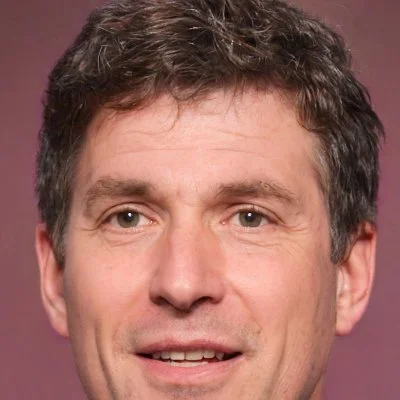
Tom Gooley Helped Build Cetera’s Scale. Now The Firm Has To Activate It
InvestmentNews reported that Cetera COO Tom Gooley would retire in a planned leadership transition, closing a major operating chapter for one of the largest independent broker-dealer networks in the wealth management industry.
Gooley planned to remain in his role through the first quarter of 2026 to support continuity as Cetera worked through several major priorities, including the Avantax conversion and post-conversion service after-care. Cetera said the transition followed more than a year of planning with the firm’s leadership team.
That timing matters. Gooley’s retirement was not framed as a sudden departure. It came after a period when Cetera expanded through acquisitions, built out a multicustodial platform, deepened its tax-centric wealth strategy and continued trying to position itself as a “wealth hub” for independent advisors and institutions.
The story also has a later development. Cetera later appointed Ed O’Brien as chief operating officer, with the firm saying his role would focus on accelerating advisor growth and turning Cetera’s scale into a durable platform advantage.
That makes this more than a retirement notice. It is a handoff between two phases of Cetera’s growth story: the operating buildout under Gooley and the next-stage platform activation under O’Brien.
TL;DR
Tom Gooley planned to retire after Q1 2026: Cetera said the COO transition followed more than a year of deliberate planning.
The timing was tied to major integrations: Cetera specifically pointed to the Avantax conversion and service after-care as key transition priorities.
Gooley joined Cetera in 2020: He oversaw service, technology, trading and operations during a period of acquisition-driven expansion.
His tenure included the multicustodial buildout: Cetera said Gooley helped roll out its multicustodial platform, including adding Fidelity’s National Financial Services as a clearing option.
Avantax remains central to the story: Cetera’s 2023 Avantax acquisition added more than $82 billion in assets under administration and more than 3,100 financial professionals.
The next phase belongs to Ed O’Brien: Cetera later named O’Brien COO effective May 2026, with a focus on advisor growth and platform-led expansion.
The advisor takeaway: Leadership transitions matter most when they affect service, technology, operations, compliance and day-to-day platform reliability.
The client takeaway: Clients may not see the COO change directly, but they can feel it through smoother service, better reporting, faster workflows and stronger advisor support.
The Retirement Is Planned, But The Timing Is Strategic
A planned COO retirement can sound like routine corporate succession. In Cetera’s case, the timing carries more strategic weight.
Gooley was leaving after a stretch of major operational change. Cetera had acquired and integrated large wealth businesses, expanded its custody and clearing options, and worked to absorb Avantax’s tax-focused advisor base. Those are not small back-office projects. They shape how advisors open accounts, move client assets, use technology, receive service support and manage client communications.
A COO transition during that kind of period must be handled carefully. Advisors do not want a leadership handoff to interrupt service quality, technology access or integration work. That is why Cetera emphasized continuity and the long planning period.
Why A COO Transition Matters More During Integration
Advisor service can be fragile: Integrations often create questions around account handling, systems, service teams and escalation paths.
Technology workflows can shift: Advisors may need to learn new tools, portals, custody options or reporting processes.
Operations teams carry the burden: The day-to-day pressure of account conversion, data quality and service after-care often lands on operations.
Client communication must stay clear: Advisors need accurate answers when clients ask what is changing.
Leadership stability affects confidence: A planned handoff can reassure advisors that the firm is not improvising during a complex transition.
This is why the retirement should be viewed as an operating-model event, not only a personnel update.
Gooley’s Cetera Tenure Was Defined By Scale Building
Cetera’s official retirement announcement for Tom Gooley said he joined the firm in October 2020 after leadership roles at Goldman Sachs, Bank of America, Morgan Stanley and LPL.
At Cetera, Gooley oversaw service, technology, trading and operations. Those functions are the backbone of a large independent broker-dealer network. They may not always get the same attention as recruiting wins or acquisition announcements, but they determine whether advisors can actually serve clients efficiently.
Gooley’s tenure coincided with a period of significant acquisition activity and platform development. Cetera pointed to his role in the firm’s customer-centric operating model, multicustodial framework and integrations involving Voya, Securian and Avantax.
What Gooley’s Operating Role Covered
Service delivery: Advisor-facing support, operational response and home-office coordination.
Technology: Platform tools, digital workflows, data systems and advisor productivity resources.
Trading: The systems and processes that support transaction execution and investment operations.
Operations: Account processing, transfers, paperwork, clearing, custody coordination and service infrastructure.
Integration support: The work needed to bring acquired businesses into Cetera’s broader platform.
That mix explains why the COO role matters so much in a large advisor network. Growth can be announced from the top, but operations determine whether growth works.
Avantax Is The Stress Test Behind The Handoff
The most important integration project in this story is Avantax.
Cetera completed its Avantax acquisition in 2023, adding 3,111 financial professionals, $82.3 billion in assets under administration and $42.0 billion in assets under management as of Sept. 30, 2023. The acquisition also gave Cetera a large tax-focused wealth management community and expanded its relationship with Fidelity through existing clearing and custody arrangements.
That means Avantax was not just another advisory team or small tuck-in deal. It was a major operating expansion.
Tax-focused advisors can have different practice rhythms than traditional wealth advisors. Many work closely with CPA firms, tax clients and households that expect tax-aware planning conversations. That can affect workflow, staffing, planning technology, client segmentation and service expectations.
Why Avantax Made The COO Role More Important
Large advisor population: More than 3,100 financial professionals created a major integration workload.
Tax-centric service model: Cetera had to preserve a distinctive planning culture, not simply absorb assets.
Custody complexity: Avantax brought existing clearing and custody relationships, including Fidelity’s National Financial Services.
Client communication needs: Advisors needed clear explanations around what would change and what would stay the same.
Post-conversion support: “Service after-care” matters because conversion problems often appear after the formal integration date.
This is why Gooley staying through the first quarter mattered. The work did not end when the acquisition closed. It continued through platform conversion, advisor support and service stabilization.
Multicustodial Strategy Is More Than A Technology Detail
Cetera’s multicustodial buildout is one of the deeper strategic pieces behind Gooley’s tenure.
A broker-dealer or advisor platform with more custody and clearing flexibility can serve a wider range of advisor business models. Some advisors may prefer one custodian because of legacy accounts. Others may need specific tools, pricing, account types, lending support or operational features. A platform that supports multiple relationships may reduce friction for recruits and acquired firms.
InvestmentNews noted that Gooley helped lead Cetera’s multicustodial framework, including the addition of Fidelity’s National Financial Services as a clearing option. Cetera’s Avantax acquisition also deepened that Fidelity relationship because Avantax had existing clearing and custody ties.
Why Custody Choice Can Shape Advisor Recruiting
Transition flexibility: Advisors may be more willing to move if they do not have to disrupt every client account.
Practice-model fit: Different custodians and clearing firms may support different advisor workflows.
RIA channel growth: RIAs often care deeply about custody choice, account access and technology integration.
Acquisition integration: Firms acquired from different platforms may be easier to integrate if custody relationships can be preserved.
Client continuity: Keeping familiar custodial arrangements can reduce confusion during a transition.
That is why multicustodial strategy belongs in the leadership story. It affects recruiting, integrations, advisor retention and client experience.
The Ed O’Brien Update Shows Cetera’s Next Phase
The original Gooley retirement story said Cetera’s successor would be named later. That later development has now happened.
Cetera appointed Ed O’Brien to accelerate advisor growth and activate its platform advantage, with O’Brien set to become COO in May 2026. Cetera said the appointment marked a shift from achieving enterprise scale to activating that scale through platform-led expansion.
That phrase is important because it explains the strategic handoff. Gooley helped build the operating backbone. O’Brien is being positioned to convert that backbone into advisor productivity, deeper planning relationships and stronger investor outcomes.
What “Activating Scale” Means In Practice
Advisor productivity: The platform should help advisors spend less time on administrative friction and more time with clients.
Planning depth: Cetera wants advisors to deepen financial planning relationships, not only process accounts.
Platform consistency: Scale should create better systems, not more complexity.
Growth support: Advisors need resources for recruiting, succession, client segmentation, M&A and practice development.
Investor outcomes: Cetera is framing operational scale as something that should eventually improve the client experience.
The challenge is execution. Many large firms claim scale as an advantage. Advisors judge whether that scale actually makes their practice easier to run.
Advisor Impact: Service Continuity Is The Real Test
Most advisors do not judge a COO transition by the executive biography. They judge it by what happens to service.
Do support tickets get resolved faster? Are account transfers smoother? Do technology tools work better? Are compliance reviews consistent? Is the home office easier to navigate? Are acquired communities still receiving the attention they were promised?
That is where Cetera’s transition will be tested.
What Advisors May Watch During The COO Handoff
Service response times: Advisors will notice quickly if operational support slows during leadership transition.
Avantax after-care: Tax-focused advisors may watch whether Cetera continues supporting their distinct practice needs after conversion.
Technology integration: Advisors need platform tools that feel connected instead of patched together.
Clearing and custody workflows: Multicustodial flexibility is valuable only if the operational experience is clean.
Escalation channels: Advisors need clear paths when account, compliance or client-service issues become urgent.
Leadership communication: Clear updates can reduce uncertainty during major platform changes.
The advisor impact is not symbolic. A strong COO transition can make the platform feel more stable. A weak one can make advisors question whether the firm’s growth has outpaced its service capacity.
Client Implications: Investors Feel Operations Through The Advisor
Clients may never know who Cetera’s COO is. They may not know whether their advisor is tied to Cetera, Avantax, a bank program, an independent branch or a supported RIA model. But clients can still feel the effect of strong or weak operations.
Operations show up in everyday client experiences: account opening, paperwork, transfers, beneficiary updates, statements, tax documents, client portals, trading support and service turnaround times. When these processes work well, clients may simply feel their advisor is organized. When they do not, clients may blame the advisor even if the issue is platform-level.
Where Clients Could Notice Better Platform Execution
Cleaner onboarding: New accounts and transfers should move with fewer delays and fewer repeated document requests.
More reliable reporting: Statements, tax forms and consolidated views should be easier to access and understand.
Faster service requests: Address changes, beneficiary updates and account maintenance should not get stuck.
Better advisor availability: Advisors with stronger platform support can spend more time on planning and client conversations.
Clearer transition communication: Clients affected by acquired or converted platforms should understand what changed and why.
The client benefit is indirect, but it is real. A better-supported advisor can provide a better client experience.
Compliance And Supervision Are Part Of The Operating Backbone
A COO transition at a large broker-dealer also has a compliance angle.
Operations, technology and supervision are closely connected. Account workflows, data systems, approval processes, recordkeeping, trading support and client communications all affect the firm’s risk controls. If those systems are fragmented, compliance becomes harder. If they are clear and consistent, supervision can become more practical for advisors and more reliable for the firm.
This is especially important for Cetera because the firm operates through multiple affiliated broker-dealers and advisory channels. A platform with that kind of scale needs consistent controls across business lines.
NJ Financial News recently covered how Cetera’s FINRA fine showed why broker-dealer supervision is a platform product. That related compliance story is relevant here because leadership transitions are not only about growth. They also shape the systems that help prevent operational and supervisory failures.
Why Operations And Compliance Cannot Be Separated
Data quality supports supervision: Supervisors need accurate information to identify exceptions, trends and risks.
Technology affects recordkeeping: Digital workflows must preserve required records and client communications.
Service processes affect controls: Faster service should not mean weaker review.
Integration creates risk: Acquired firms may bring different systems, procedures and legacy practices.
Advisor experience matters: Compliance processes that are confusing or inconsistent can create avoidable errors.
The next COO’s challenge is to make controls stronger without making the platform feel harder to use.
Recruiting And Retention Depend On The Post-Integration Experience
Cetera has been active in recruiting and acquisition-driven growth. But recruiting success depends on whether advisors believe the platform can deliver after the announcement.
Advisor teams considering Cetera may look at the Avantax integration as a case study. Did the acquired advisors receive good service? Did tax-focused advisors keep their identity? Did technology improve? Did the platform deliver on transition promises? Did service after-care resolve problems quickly?
The answers can affect future recruiting.
Why Leadership Stability Supports Recruiting
Prospects want confidence: Advisors moving large practices want to know senior leadership is stable.
Integration history matters: Advisors study how firms treated prior acquisitions before joining.
Operations can be a differentiator: Strong service can help a platform stand out in a crowded recruiting market.
Advisor retention is public reputation: If acquired or recruited advisors complain, competitors will use that in recruiting.
COO credibility matters: Operational leadership can reassure advisors that the platform’s growth is being managed carefully.
In a market where LPL, Osaic, Raymond James, Ameriprise, Commonwealth, Cambridge and others are competing for advisors, platform execution is part of the recruiting pitch.
The RIA And Branches Channel Adds Another Layer
Cetera’s operating complexity is not limited to Avantax.
Cetera launched a dedicated RIA and Branches Channel in 2025, positioning the channel around independent RIAs, W-2 RIA models and supported independence. The firm said the channel included more than 40 branches nationwide at launch.
That move matters because RIA and branch models can require different support than traditional independent broker-dealer affiliation. Advisors may need more custody flexibility, business consulting, enterprise support, technology customization, compliance coordination and succession planning resources.
Why The Channel Strategy Raises The Operating Bar
Different affiliation models: Independent RIAs, W-2 advisors and supported branches do not all need the same service model.
More custody needs: RIA-oriented advisors often care deeply about custodial flexibility and platform integration.
More business consulting: Larger branch and RIA teams may need support around staffing, acquisitions and succession.
More compliance variation: Advisory and brokerage services may involve different disclosures and oversight processes.
More client-service complexity: High-net-worth and planning-focused clients often expect deeper coordination.
The COO transition has to support this broader channel strategy. Cetera cannot claim platform flexibility unless the operations behind each model work.
M&A Integration Remains Cetera’s Long-Term Execution Test
Cetera’s acquisition history is central to its current scale.
The firm absorbed major wealth businesses from Voya, Securian and Avantax. Each transaction brought advisors, clients, technology, service habits, compliance histories and cultural expectations. M&A can grow a platform quickly, but integration determines whether that growth becomes durable.
Gooley’s role was closely tied to that integration period. O’Brien’s role appears tied to the next phase: making the larger platform more productive.
What Good M&A Integration Has To Deliver
Advisor retention: Acquired advisors must believe the new platform improves their business.
Client continuity: Clients should not feel confused by new systems, paperwork or account changes.
Technology alignment: Legacy platforms should eventually become easier to use, not more fragmented.
Service consistency: Acquired firms should not receive uneven support after the deal closes.
Compliance harmonization: Policies, procedures and supervisory systems must be aligned across entities.
Growth conversion: The combined firm should create more opportunities than the separate businesses had alone.
This is the hard part of deal-driven expansion. Buying scale is easier than making scale feel seamless.
What Cetera Still Has To Prove After The Handoff
Cetera has a clear story: Gooley helped build the platform foundation, and O’Brien will help activate that platform for advisor growth. The next question is whether advisors feel the difference.
The firm’s next phase will depend on execution across service, technology, integrations, compliance and advisor growth support. A large platform can offer many resources, but complexity can weaken the advisor experience if systems are not coordinated.
Watchpoints For Cetera’s Next Operating Phase
Avantax service after-care: Cetera must show that tax-focused advisors remain supported after conversion.
Advisor productivity: O’Brien’s mandate will be tested by whether advisors experience less friction.
Multicustodial execution: Custody flexibility must be operationally smooth, not just available on paper.
RIA channel growth: Cetera must support RIA and branch models without confusing service lanes.
Compliance consistency: Growth and integration must not create supervisory gaps.
Recruiting momentum: Future recruits will judge Cetera partly by how current advisors describe the platform.
Client experience: Operational improvements should eventually show up in faster, clearer and more reliable service.
The transition is planned. The performance test is ongoing.
Bottom Line: Cetera’s COO Handoff Is About More Than One Executive Retirement
Tom Gooley’s planned retirement closes an important operating chapter for Cetera. During his tenure, the firm expanded through major acquisitions, built a multicustodial framework and managed a complex platform evolution that included Avantax, Voya and Securian integrations.
The next phase is different. Cetera is no longer only trying to prove it can build scale. It has to prove that scale makes advisors more productive, clients better served and the platform more competitive.
Ed O’Brien’s appointment shows how Cetera is framing that next chapter: platform-led expansion, advisor productivity, deeper planning relationships and stronger investor outcomes. Those goals sound strong. The hard part will be turning them into daily advisor experience.
For advisors, this transition is worth watching because operations can make or break a platform relationship. For clients, the effect may be less visible but still important. Better operations can mean smoother service, clearer reporting and more advisor time focused on planning.
For Cetera, the message is clear: the acquisition era created the scale. The next COO era has to make that scale work.
Frequently Asked Questions About Tom Gooley’s Cetera Retirement
Why Is Tom Gooley Retiring From Cetera?
Tom Gooley planned to retire after a planned leadership transition that followed more than a year of deliberate succession planning with Cetera’s leadership team. Cetera said he would remain through the first quarter of 2026 to support continuity during major initiatives, including Avantax conversion and service after-care.
What Did Tom Gooley Oversee At Cetera?
Gooley oversaw service, technology, trading and operations at Cetera. His tenure included work on the firm’s customer-centric operating model, multicustodial platform, and integrations tied to major acquisitions including Voya, Securian and Avantax.
Why Is The Avantax Integration Important To This Story?
Avantax is important because Cetera’s acquisition added more than 3,100 financial professionals, $82.3 billion in assets under administration and $42.0 billion in assets under management as of Sept. 30, 2023. Integrating a tax-focused wealth business at that scale requires strong operations, technology, advisor support and client communication.
Who Replaced Tom Gooley As Cetera COO?
Cetera later appointed Ed O’Brien as chief operating officer, with the role set to begin in May 2026. Cetera said O’Brien would focus on accelerating advisor growth and activating the platform advantage built during Cetera’s scale-building phase.
What Should Advisors Watch During Cetera’s COO Transition?
Advisors should watch service response times, technology integration, custody workflows, Avantax after-care, compliance consistency and leadership communication. The most important question is whether the new operating structure makes advisor practices easier to run.
Further Reading
Cetera COO Tom Gooley To Retire In Planned Leadership Transition: InvestmentNews’ report on Gooley’s planned retirement, the Avantax conversion context and Cetera’s yearlong succession process.
Cetera Chief Operating Officer Tom Gooley To Retire Following Planned Transition: Cetera’s official announcement explaining Gooley’s retirement timeline, operating legacy and transition role.
Cetera Appoints Ed O’Brien To Accelerate Advisor Growth And Activate Its Platform Advantage: Cetera’s later announcement naming O’Brien COO and framing the next phase around advisor growth and platform-led expansion.
Cetera Holdings Announces Close Of Avantax Acquisition: Cetera’s official Avantax closing announcement detailing the acquired assets, advisor base and custody relationships.
Cetera Launches Dedicated RIA And Branches Channel: Cetera’s announcement on its RIA and Branches Channel, showing how the firm is expanding its affiliation model.
Cetera’s FINRA Fine Showed Why Broker-Dealer Supervision Is A Platform Product: Related NJ Financial News coverage on how supervision, compliance and operations affect broker-dealer platform credibility.