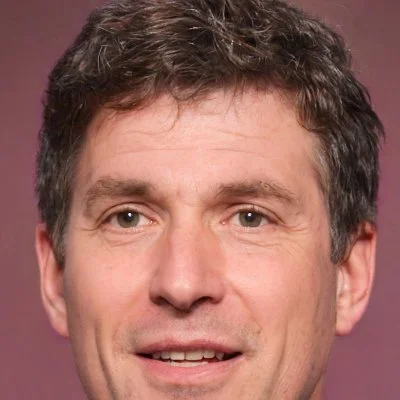
Why Wealth Consulting Group Is Building A Growth Brain Trust
In the InvestmentNews report, Wealth Consulting Group named Stuart DePina, Jason Ehrlich and Paul Kim to a new advisory board, joining newly appointed president Andy Kalbaugh.
The move looked like a standard leadership announcement. It was more strategic than that.
WCG is a Las Vegas-based hybrid RIA and LPL OSJ that has been trying to grow without sounding like just another consolidator. The firm’s message is built around advisor independence, business transitions, client relationships and its “Personal CFO” model. That is a different pitch from pure aggregation. WCG wants scale, but it also wants to preserve the feeling that advisors still own and shape their practices.
That is why the advisory board matters. The three outside members brought different kinds of experience: DePina from Envestnet and Tamarac, Ehrlich from Emigrant Partners and private equity, and Kim from Simplify Asset Management and the ETF industry. Kalbaugh added large-platform operating experience from LPL.
Together, the board mapped directly to WCG’s growth needs. The firm needed wealthtech perspective, M&A experience, investment-product knowledge and operating discipline. It also needed guidance on how to help advisors transition, monetize and grow without making the platform feel too corporate.
The later update made the story sharper. Ehrlich moved from advisory board member to chief financial officer and head of corporate development in December 2025. That turned the advisory board story into something more concrete: WCG was not only collecting outside advice. It was beginning to turn that advice into an internal growth engine.
TL;DR
WCG created a new advisory board: Stuart DePina, Jason Ehrlich and Paul Kim joined Andy Kalbaugh as inaugural members.
The board is non-fiduciary: WCG described it as an advisory board designed to guide strategy, not a formal governing board.
The expertise was deliberate: DePina brings wealthtech scale, Ehrlich brings M&A and capital experience, and Kim brings ETF and investment-product experience.
Kalbaugh anchors execution: The former LPL divisional president became WCG president shortly before the board announcement.
The firm’s scale has moved up: WCG reported 123 advisors, 43 branches and $8.8B as of May 31, 2025, while its current snapshot lists 133 advisors, 56 branches and about $12.1B as of July 14, 2026.
Ehrlich later moved inside: WCG named him CFO and head of corporate development, giving the firm a dedicated executive for M&A, partnerships and capital planning.
The advisor takeaway: WCG is building infrastructure for advisors who want independence but need help with scale, succession, transitions and enterprise value.
The client takeaway: Clients should ask whether growth improves service, planning, investment resources and continuity without weakening personal advice.
The platform takeaway: Midsize hybrid RIAs are under pressure to add professional management before consolidation forces their hand.
WCG Is Building A Brain Trust, Not A Trophy Board
WCG’s advisory board was not framed as a ceremonial group.
The official announcement described the board as non-fiduciary and said it would help guide growth, operations, technology, enterprise value, advisor success and client experience.
That distinction matters. A non-fiduciary advisory board does not carry the same formal governance role as a board of directors. Its value is strategic guidance, market perspective and operating advice.
For a growth-stage hybrid RIA, that can still be powerful. WCG is at a size where founder energy and advisor culture are no longer enough. The firm needs repeatable systems, clearer capital planning, stronger transition support and better growth infrastructure.
Why The Board Structure Fits WCG
A firm at WCG’s stage has to avoid two opposite mistakes.
It cannot stay too informal, because scale creates complexity. But it also cannot become too institutional too quickly, because advisors may fear losing independence.
An advisory board can help bridge that gap. It gives the firm outside perspective without immediately changing ownership, governance or advisor control.
The board can help WCG test questions such as:
How should the firm scale technology?
Which advisors fit the platform best?
How should WCG approach M&A?
Where does the firm need capital?
How should advisors transition businesses?
How can the Personal CFO model scale?
What should remain flexible for advisors?
That is the real story. WCG is trying to professionalize without sounding like it is selling out.
Three Outside Voices Point To Three Growth Gaps
The board lineup was not random. Each member matched a specific challenge.
WCG is operating in a market where midsize firms are squeezed. Large RIAs and aggregators have capital, technology and acquisition teams. Smaller advisor practices can stay personal but may lack scale. A firm like WCG has to prove it can offer both.
The three new board members give the firm outside knowledge in the exact areas where scale matters most.
Stuart DePina Brings Wealthtech Scale
DePina’s background matters because WCG is trying to scale operations and technology.
He previously served as president of Envestnet and chief executive of Envestnet Tamarac. That gives him experience with advisor platforms, software adoption, operational scale and the workflow problems that appear when firms grow.
Wealthtech is not a side issue for WCG. Advisors judge platforms by how much time they save, how cleanly systems work and whether technology helps them serve clients.
DePina’s experience is useful because WCG needs to answer:
Can advisors transition smoothly?
Can technology support different affiliation models?
Can WCG reduce operational friction?
Can data support better client service?
Can advisor tools scale without feeling rigid?
For advisors, technology is not impressive unless it changes the day. The board’s wealthtech lens should help WCG focus on usability, not only features.
Jason Ehrlich Brings Capital Discipline
Ehrlich’s background points to the M&A and enterprise-value side of the story.
Before WCG, he was managing director and head of investments at Emigrant Partners. He also held roles at TowerBrook Capital Partners, Onex Partners, Lightyear Capital and Aquiline Capital. That is a capital-markets résumé in an industry where capital has become central to advisor growth.
WCG’s announcement said its initiatives include organic growth, M&A, capital raising and long-term enterprise growth planning. That language became more important after Ehrlich later moved into an executive role.
His skill set matters because WCG needs to think like an advisor platform and an enterprise.
It has to ask:
Which deals are worth doing?
How should partner firms be valued?
How much capital does growth require?
Should WCG raise outside capital?
How should succession deals be structured?
How can advisors monetize without losing control?
That is the kind of discipline a growing hybrid RIA needs before transactions become emotional or opportunistic.
Paul Kim Adds Product Strategy
Kim’s role adds a different lens.
He is CEO and co-founder of Simplify Asset Management and president of Simplify ETFs. WCG described him as an ETF industry veteran with experience at Principal Global Investors and PIMCO.
That matters because advisor platforms increasingly compete on investment access, portfolio construction, income strategies, tax-aware implementation and client-facing explanations. Advisors do not want only a compliance platform. They want tools that help them build better portfolios and explain decisions clearly.
Kim’s background can help WCG think through:
ETF strategy
Model portfolios
Investment product design
Portfolio implementation
Advisor education
Digital marketing
Client communication around markets
That does not mean WCG should become a product manufacturer. It means product strategy matters even for firms that position themselves around advice.
Kalbaugh Turned The Board Into An Operating Signal
Andy Kalbaugh’s presence is what made the advisory board more than an outside-expert announcement.
WCG had named Kalbaugh president just weeks earlier. In the Kalbaugh appointment, InvestmentNews reported that the former LPL divisional president joined WCG to help scale the advisor platform, broaden the firm’s footprint and build the partner channel.
That role put a seasoned platform operator next to Jimmy Lee, WCG’s founder and CEO.
Why The President Role Matters
Founders often build culture. Presidents often build repeatability.
That distinction matters at WCG’s stage. The firm has already grown from a small regional RIA into a national hybrid platform. The next growth stage requires more structure.
Kalbaugh’s background at LPL is relevant because he has seen platform scale from the inside. WCG’s website says he supported more than 17,000 independent advisors and 800 financial institutions at LPL, representing more than $900 billion in assets.
That experience can help WCG avoid common midsize-platform problems:
Too much founder dependency
Inconsistent advisor support
Unclear partner-channel economics
Weak transition planning
Technology that does not scale
M&A without integration discipline
Advisor communities that do not connect
Kalbaugh gives the advisory board’s recommendations someone to translate them into operating action.
Ehrlich’s Later CFO Role Changed The Meaning Of The Board
The advisory board became more important when Jason Ehrlich later joined WCG full time.
In the Ehrlich CFO role, InvestmentNews reported that he would oversee finance while leading corporate development across M&A, strategic partnerships and capital planning.
That was a major update. It turned one advisory-board seat into a central executive function.
Why Corporate Development Needed A Dedicated Seat
A firm pursuing organic and inorganic growth cannot treat corporate development as a side project.
M&A requires sourcing, valuation, diligence, financing, integration, advisor communication and client continuity. Strategic partnerships require the same discipline. Capital planning requires clarity about whether the firm wants to remain self-funded, raise outside capital, borrow, take minority investment or pursue other structures.
Ehrlich’s move inside WCG suggests the firm wanted sharper control over:
Deal strategy
Capital planning
Advisor acquisitions
Partner-firm economics
Strategic partnerships
Long-term enterprise value
Organic and inorganic growth
That makes the advisory board look less like a publicity move and more like a staging ground for WCG’s next operating model.
The Real Product Is Transition Without Identity Loss
WCG’s repeated language around advisor independence and seamless business transitions is important.
Many advisors do not want to sell to a national aggregator that erases their brand. They also do not want to remain alone if succession, hiring, technology and compliance become too hard. WCG is trying to live in the middle.
Its value proposition appears to be this: advisors can keep independence and identity while using a stronger platform behind them.
Why Transition Is The Hardest Promise
A transition is not successful because a press release says it is seamless. It is successful when advisors and clients feel minimal disruption.
A good advisor transition has to manage:
Client communication
Account movement
Technology onboarding
Compliance registration
Branch branding
Staff alignment
Fee and disclosure updates
Product and platform changes
Advisor autonomy
Post-transition support
WCG’s board can help because each member touches part of that system. DePina understands technology. Ehrlich understands deal structure. Kim understands products. Kalbaugh understands advisor platform operations.
The harder question is whether WCG can make all of that feel simple to advisors.
WCG’s Scale Now Changes The Stakes
The firm’s scale has moved quickly.
InvestmentNews reported that WCG grew from 30 advisors and $800 million in assets under advisement when it launched its RIA in 2014 to 123 advisors across 43 branches and $8.8 billion as of May 31, 2025. WCG’s current corporate snapshot lists 133 advisors, 56 branch offices and about $12.1 billion in advisory and brokerage assets as of July 14, 2026.
That growth is meaningful. It also changes the firm’s problems.
A $1 billion firm can still feel personal. A $12 billion hybrid RIA needs process, leadership depth, technology standards, compliance capacity and capital planning.
The Scale Trap
The danger for WCG is the same danger facing many successful RIAs: growth can make the firm less like the thing that made advisors join.
Scale can help advisors through better technology, deeper resources and more peer support. But scale can also create layers, slower decisions and less intimacy.
The firm has to avoid the scale trap:
What Scale Should Add
What Scale Must Avoid
Better technology
More bureaucracy
Deeper support
Slower response times
Succession resources
Forced monetization
M&A capability
Poor integration
Enterprise value
Advisor identity loss
Better client resources
Generic service
WCG’s advisory board is valuable only if it helps the firm grow without losing the advisor-first culture it is selling.
The LPL Relationship Is Useful, But It Needs Clear Lines
WCG is closely tied to LPL, but it is not LPL.
That distinction matters. WCG’s affiliation models page says the firm offers hybrid RIA, OSJ-only and RIA-only options. Its disclosure language also says WCG Wealth Advisors and The Wealth Consulting Group are separate entities from LPL Financial.
This flexibility is part of WCG’s pitch. Advisors can choose different affiliation models depending on whether they need broker-dealer access, OSJ oversight or RIA-only independence.
Why Affiliation Flexibility Matters
Advisors do not all want the same model.
Some want LPL brokerage access and WCG’s RIA structure. Some want WCG as OSJ while operating under LPL’s corporate RIA. Some want fee-only RIA affiliation with no LPL affiliation. Some want to keep their own DBA. Others may adopt the WCG brand.
That gives WCG more ways to recruit and retain advisors.
But flexibility also creates a communication burden. Advisors and clients need to understand which entity provides which service, who supervises the relationship and what disclosures apply.
Advisor Impact: WCG Is Selling Independence With Infrastructure
For advisors, the advisory board matters only if it improves the platform they use every day.
The firm is not trying to recruit advisors by saying, “We are the biggest.” It is trying to say, “We understand independence, but we can give you the infrastructure to grow.”
That is a strong message in a consolidating market.
What Advisors Should Watch
Advisors considering WCG should look beyond the board names and ask how the strategy shows up in practice.
Important questions include:
How does WCG support transitions?
Who owns the client relationship?
What affiliation model fits my practice?
How does WCG help with succession?
Can I keep my branch identity?
What technology is required?
What technology is optional?
How does WCG support M&A?
What compliance support is included?
What happens if I want to leave?
The best platforms make these answers clear before the advisor signs.
Client Impact: Growth Should Improve The Relationship
Clients may not care about WCG’s advisory board, but they should care about whether growth improves their advisor relationship.
A stronger WCG platform could help clients through better planning resources, more investment support, stronger insurance and risk-management expertise, cleaner technology and better continuity if an advisor retires or sells.
But growth can also create client confusion if the firm does not communicate clearly.
Questions Clients Should Ask
Clients should ask practical questions when their advisory firm joins or expands through a platform such as WCG:
Who is my advisor’s firm?
Who is the RIA?
Is LPL involved?
Who supervises my account?
Will my fees change?
Will my account portal change?
Will my investment options change?
Who handles service issues?
What happens if my advisor retires?
How does WCG improve my planning experience?
The best client explanation is simple. Growth should mean better service, not more entities to decode.
Compliance: The “Separate Entities” Language Matters
WCG’s structure creates a compliance story that should not be ignored.
The firm’s disclosure says securities are offered through LPL Financial for registered representatives, while investment advice is offered through WCG Wealth Advisors. It also notes that advisors may be solely investment adviser representatives and not affiliated with LPL.
That means WCG has to keep lines clear across brokerage, advisory, OSJ and RIA-only relationships.
Where Controls Matter Most
Hybrid structures can work well, but they need careful supervision and disclosure.
Important control areas include:
Brokerage versus advisory roles
Form CRS delivery
RIA disclosure clarity
LPL relationship disclosure
OSJ supervision
Branch branding
Client communication
Transition documentation
Fee and compensation disclosure
Succession communications
The advisory board can help guide strategy, but compliance execution belongs to management. Clients and advisors need clarity more than slogans.
M&A Strategy: WCG Wants To Be A Buyer Without Sounding Like A Roll-Up
The board announcement repeatedly pointed to organic and M&A growth.
That puts WCG in a competitive lane. RIA M&A has become intense. Cerulli’s RIA consolidation research says consolidation is accelerating as firms pursue scale, respond to client demands and keep pace with platform and technology needs. Echelon’s Q1 deal report said the first quarter of 2026 set a new quarterly transaction record, with 142 announced deals.
WCG is not operating in a quiet market. It is competing against firms with capital, acquisition teams, tax divisions, estate-planning resources, technology platforms and national branding.
The Differentiator Has To Be Advisor Fit
WCG’s best M&A argument is not that it can buy everything. It is that it can offer a better fit for advisors who value independence.
That pitch may work best with advisors who want:
A transition partner
Succession help
Practice monetization
Operational support
Branch identity
Planning resources
M&A guidance
Less institutional pressure
A community of independent advisors
The danger is overreach. WCG should avoid deals that add assets but weaken culture.
Recruiting: The Board Makes The Pitch More Credible
Advisory boards can help recruiting because they show seriousness.
A midsize hybrid RIA asking advisors to join during a consolidation boom needs proof that it can scale. Names like DePina, Ehrlich, Kim and Kalbaugh help because they suggest the firm is surrounding itself with people who have built platforms before.
What The Board Says To Prospects
The board sends several recruiting messages:
We understand technology.
We understand capital.
We understand investment products.
We understand advisor platforms.
We are not trying to stay small.
We are not trying to sell independence away.
We are preparing for serious growth.
That message is useful, but it has to be backed by advisor experience. Recruits will eventually judge WCG by service, economics, autonomy and client outcomes.
Enterprise Value Is The Hidden Theme
The announcement used the phrase “enhance enterprise value for its partner firms.” That phrase is important.
Many independent advisors have built valuable businesses but have not fully institutionalized them. Their value may depend heavily on the founder. Their succession plans may be informal. Their technology may be uneven. Their client service may be excellent but hard to scale.
WCG is trying to make those practices more valuable without forcing them into a corporate RIA model.
How Platforms Build Advisor Value
A platform can increase advisor enterprise value by helping with:
Recurring revenue quality
Client segmentation
Documented planning process
Staff development
Technology adoption
Succession planning
Brand clarity
Compliance consistency
Client retention
M&A readiness
That is where WCG’s “Personal CFO” and advisor transformation language becomes more than marketing. A clear service model can make practices easier to explain, easier to scale and easier to transition.
The Personal CFO Model Is The Client-Facing Anchor
WCG’s internal growth story still needs a client-facing reason to matter.
The firm uses “Personal CFO” as its service anchor. The idea is that affluent individuals, families and business owners need coordinated financial guidance across planning, investments, insurance, tax awareness, estate issues and risk management.
That is a stronger client message than “we are a hybrid RIA.”
Why The Model Helps Advisors
A clear service model helps advisors explain value beyond portfolio management.
The Personal CFO model gives advisors a way to organize conversations around:
Planning
Investment management
Insurance
Risk management
Estate coordination
Business-owner needs
Family financial decisions
Long-term lifestyle goals
The risk is consistency. If every advisor interprets “Personal CFO” differently, the brand promise weakens. WCG needs training, tools and process discipline so the model scales across branches.
What To Watch After The Board Buildout
The advisory board should be judged by outcomes, not names.
The key question is whether WCG becomes more capable because of the board’s guidance and Ehrlich’s later executive role.
Signals That The Strategy Is Working
A practical watchlist includes:
Advisor count keeps growing.
Branch growth remains controlled.
Client assets grow beyond market movement.
Transitions remain smooth.
Partner firms preserve identity.
M&A becomes more disciplined.
Technology improves advisor workflow.
Succession support becomes clearer.
Compliance stays clean across models.
Clients understand the platform.
The advisory board succeeds if advisors feel the benefits before they hear the talking points.
Bottom Line: WCG Is Trying To Scale Without Losing The Word “Independent”
Wealth Consulting Group’s advisory board announcement was not just about adding famous names.
It was about preparing a midsize hybrid RIA for the next stage of growth. DePina brings wealthtech and platform experience. Ehrlich brings capital and M&A discipline. Kim brings ETF and product strategy. Kalbaugh brings large-platform operating experience from LPL.
That mix tells the real story. WCG wants to grow through organic expansion, advisor recruiting, M&A, partner-firm support and business transitions. It also wants to keep positioning itself around advisor independence and client relationships.
That is a difficult balance.
The later move to bring Ehrlich inside as CFO and head of corporate development made the strategy more serious. WCG is no longer only asking outside veterans for guidance. It is building leadership capacity around finance, capital planning and dealmaking.
For advisors, the question is whether WCG can provide scale without taking away identity. For clients, the question is whether the platform improves planning, service and continuity. For WCG, the question is whether it can compete in a consolidating RIA market without becoming the kind of consolidator independent advisors were trying to avoid.
The advisory board is not the destination. It is the sign that WCG knows the next phase requires more than founder-led growth.
Frequently Asked Questions About WCG’s Advisory Board
What did Wealth Consulting Group announce?
WCG announced a new non-fiduciary advisory board with Stuart DePina, Jason Ehrlich and Paul Kim joining Andy Kalbaugh as inaugural members. The board is meant to guide growth, technology, advisor transitions, M&A and enterprise-value initiatives.
Who are the advisory board members?
The inaugural members are Stuart DePina, former president of Envestnet; Jason Ehrlich, former managing director and head of investments at Emigrant Partners; Paul Kim, CEO and co-founder of Simplify Asset Management; and Andy Kalbaugh, president of WCG and a former LPL divisional president.
Why does the board matter?
The board matters because WCG is trying to scale as a hybrid RIA while preserving advisor independence. The board gives the firm outside expertise in wealthtech, M&A, capital planning, ETFs, platform operations and advisor transitions.
What changed after the board announcement?
Jason Ehrlich later joined WCG as chief financial officer and head of corporate development. That moved his role from outside board guidance into day-to-day leadership over finance, M&A, strategic partnerships and capital planning.
What should advisors watch next?
Advisors should watch whether WCG improves transition support, technology, succession planning, M&A discipline, compliance clarity and growth resources while still preserving advisor autonomy and branch identity.
Further Reading
WCG board: InvestmentNews’ original report on WCG adding DePina, Ehrlich and Kim to its advisory board.
Official board news: WCG’s announcement on the board’s purpose, member backgrounds and growth priorities.
Kalbaugh appointment: InvestmentNews’ report on Andy Kalbaugh joining WCG as president.
Ehrlich CFO role: InvestmentNews’ follow-up on Ehrlich joining WCG full time.
Corporate snapshot: WCG’s current advisor, branch and asset snapshot.
Affiliation models: WCG’s explanation of hybrid RIA, OSJ-only and RIA-only options.
RIA consolidation: Cerulli’s context on why RIA scale, technology and M&A are becoming more important.
Q1 deal report: InvestmentNews’ report on Echelon’s record RIA M&A data.
Advisor capital: Related NJ Financial News coverage on advisor capital, succession and enterprise value.
Branch acquisition: Related NJ Financial News coverage on LPL, OSJs and platform-scale growth.