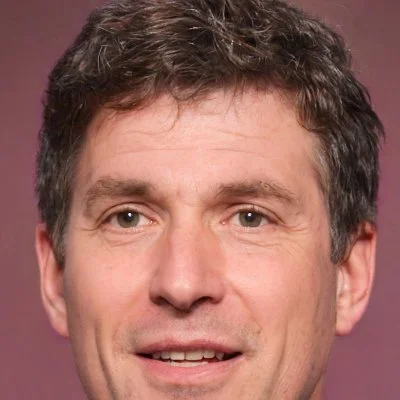
WCG Hired An Emigrant Dealmaker. The Bigger Story Is Advisor Succession
The Wealth Consulting Group’s decision to hire Jason Ehrlich is not just another executive appointment. It is a signal that large OSJs and hybrid RIA platforms are no longer acting like loose advisor networks. They are becoming operating companies with finance teams, acquisition pipelines, succession programs and corporate development strategies.
That is the real story.
WCG, a Las Vegas-based LPL OSJ and hybrid RIA platform, named Ehrlich chief financial officer and head of corporate development. The role is newly created, which matters. A firm does not create a dual CFO and corporate development seat unless it expects finance, M&A, partnerships and capital planning to become central to the next phase of growth.
Ehrlich’s background explains the move. He previously served as managing director and head of investments at Emigrant Partners, where he led investments in wealth management firms. Before that, he held private equity roles focused on financial services and wealth management. He had also advised WCG for several years and joined its advisory board before moving into the executive team.
That makes him more than a finance hire.
He is a deal-architecture hire.
WCG already has scale, a national advisor footprint and a “Personal CFO” planning identity. Now it appears to be building the internal machinery needed to support acquisitions, advisor succession, strategic partnerships and possible outside capital without losing its independence-focused culture.
For advisors, this is the part worth watching: WCG is trying to become a final home for independent practices that need scale, but do not want to feel swallowed by a giant consolidator.
TL;DR
WCG hired Jason Ehrlich: He will serve as chief financial officer and head of corporate development in a newly created role.
The role connects finance and dealmaking: Ehrlich will guide financial strategy while leading M&A, strategic partnerships and capital planning.
His Emigrant background matters: Ehrlich previously led wealth management investments at Emigrant Partners and brings private equity and deal experience.
WCG is preparing for a bigger growth phase: WealthManagement.com reported that WCG wants to grow from more than $10 billion in AUA to $50 billion over the next five to 10 years.
The hire follows other leadership moves: WCG previously added former LPL executive Andy Kalbaugh as president and created an advisory board with wealth and fintech veterans.
Succession is central: WCG’s partners channel gives advisors a way to transition from OSJ, hybrid or RIA-only models toward retirement and eventual monetization.
The capital question is still open: WCG has grown without outside capital, but CEO Jimmy Lee has said the firm could consider a capital partner if it supports the firm’s strategy and culture.
The bigger industry signal is clear: OSJs are becoming more sophisticated because advisors need recruiting support, M&A help, succession pathways, technology, compliance and enterprise value planning.
This Is Not A Back-Office CFO Hire
InvestmentNews reported that Wealth Consulting Group added Jason Ehrlich as CFO and head of corporate development, but the title should not be read too narrowly.
A traditional CFO may focus on accounting, budgets, financial reporting, cash management and internal controls. Those responsibilities still matter. But WCG paired the CFO role with corporate development, which changes the meaning of the hire.
Corporate development is where strategy becomes transactions.
It can involve acquisitions, partnerships, capital planning, valuation analysis, financing options, integration planning and deal sourcing. For a wealth platform that wants to grow through both recruiting and M&A, this role can become one of the most important seats in the company.
WCG is effectively saying that growth now needs financial engineering and deal discipline, not only advisor relationships.
What The Dual Role Signals
M&A discipline: WCG likely wants a more formal process for evaluating firms, pricing deals and structuring acquisitions.
Capital readiness: The firm may want to understand when internal cash flow is enough and when outside capital could accelerate growth.
Partnership screening: Strategic partnerships require careful evaluation, especially when advisor culture and control are at stake.
Succession design: Advisor transitions need financial models that protect founders, clients, staff and next-generation advisors.
Enterprise planning: A firm targeting $50 billion in AUA needs stronger forecasting, governance and executive coordination.
That is why this role is strategic.
WCG is not simply adding a finance executive. It is building a growth control room.
Ehrlich Brings The Investor’s View Into The Operating Company
WCG’s official announcement said Ehrlich previously served as managing director and head of investments at Emigrant Partners, where he led investments in wealth management firms.
That background matters because Emigrant is not an ordinary operating firm. It invests in wealth and asset management businesses. Someone coming from that seat has likely seen what buyers, investors and partner firms care about when evaluating an advisory enterprise.
That perspective can be valuable inside WCG.
An advisory platform trying to scale needs to know how outsiders view its growth, margins, advisor economics, service model, succession pipeline, acquisition quality and capital needs. It also needs to know how potential sellers think when deciding whether to join.
Ehrlich can bring both views: investor and operator.
Why An Investment Background Helps WCG
Deal pattern recognition: A former investor has seen what makes wealth management deals succeed or fail.
Valuation discipline: WCG can avoid overpaying for firms that look attractive but lack durable growth or succession quality.
Integration awareness: A dealmaker who understands platform strategy can look beyond closing and focus on post-deal execution.
Capital fluency: If WCG considers outside capital, Ehrlich can help evaluate terms, partner fit and long-term control.
Seller psychology: Advisors selling or partnering with WCG may want to know that the buyer understands founder concerns, not just spreadsheet math.
That is especially important in wealth management.
Most advisor deals are not only financial. They are emotional, cultural and client-sensitive.
WCG’s Growth Target Changes The Stakes
WealthManagement.com reported that WCG has more than $10 billion in assets under advisement and that CEO Jimmy Lee has set a goal of reaching $50 billion in AUA within five to 10 years.
That is an ambitious target.
A firm can grow organically from $10 billion to $50 billion, but it usually needs several growth engines working at once. Recruiting can add advisors. M&A can add firms. Succession programs can retain existing affiliated advisors. Capital planning can fund transactions. Advisor development can lift same-store growth. Technology and operations can reduce friction.
That is why the CFO and corporate development role matters.
A $50 billion target cannot run on informal growth habits.
The Math Behind The Ambition
Organic growth alone may not be enough: Market appreciation and client referrals can help, but a fivefold AUA target likely needs recruiting and acquisitions too.
Advisor retention becomes crucial: Losing existing teams would force WCG to replace assets before growing.
Succession must be solved internally: Aging advisors can become an asset-retention risk if they sell outside the platform.
Acquisition quality matters: Fast dealmaking can destroy culture if the wrong firms join.
Capital planning becomes strategic: WCG may need to decide whether self-funding, debt, seller financing or outside investment best supports the plan.
The headline is a hire.
The subtext is a scaling challenge.
The OSJ Model Is Becoming More Corporate
OSJs used to be discussed mainly as supervisory and advisor-support structures. That is still part of the model. But the strongest OSJs are evolving into full business platforms.
They help advisors with compliance, operations, practice management, recruiting, technology, succession, marketing and sometimes M&A. Some also become acquisition partners or transition homes for advisors who want to monetize their practices over time.
WCG’s hire fits that evolution.
A large OSJ that wants to support more advisors cannot rely only on a charismatic founder, a strong service team and LPL affiliation. It needs executive management, capital strategy, acquisition systems, operating discipline and a clear advisor value proposition.
That is exactly why a CFO/corporate development seat can matter inside an OSJ.
What Modern OSJs Need To Compete
Advisor service depth: Teams expect real support, not just supervision.
Business management help: Advisors need guidance on staffing, pricing, marketing and growth.
Succession infrastructure: Founders want liquidity and continuity without disrupting clients.
Recruiting credibility: OSJs need a reason advisors should choose them over other LPL branches or rival platforms.
Compliance maturity: Scale creates more supervision complexity.
Capital options: Acquisitions and partner programs require money, structure and governance.
Brand clarity: Advisors need to understand what makes the OSJ different.
WCG’s move suggests it knows the OSJ market is becoming more sophisticated.
Andy Kalbaugh’s Arrival Was The First Clue
Ehrlich’s hire should be read alongside WCG’s earlier appointment of Andy Kalbaugh as president.
WCG’s team page says Kalbaugh leads advisor support, sales and operations and brings more than 30 years of executive leadership in wealth management. It also says he previously served as managing director and divisional president at LPL Financial, supporting more than 17,000 independent advisors and 800 financial institutions representing more than $900 billion in assets.
That is not a minor background detail.
Kalbaugh brings large-platform operating experience. Ehrlich brings investment and corporate development experience. Together, those hires suggest WCG is building a more institutional leadership layer around an independent advisor platform.
One executive can help run the platform. The other can help finance and expand it.
Why The Kalbaugh-Ehrlich Combination Matters
Operations plus capital: Kalbaugh strengthens the operating side, while Ehrlich strengthens financial and transaction strategy.
LPL fluency plus investor fluency: WCG gains deeper knowledge of both the LPL ecosystem and wealth management investment markets.
Recruiting plus M&A: The firm can pursue advisor growth through multiple channels instead of relying on one method.
Advisor support plus succession: WCG can better connect day-to-day practice needs with long-term ownership planning.
Scale plus culture: The leadership challenge is to professionalize without making the firm feel corporate in the wrong way.
That last point is the hardest one.
Advisors often want more resources, but they do not want to lose the relationship-driven feel that brought them to an OSJ in the first place.
WCG’s Partners Channel Is The Succession Engine
One of the most important details in the WealthManagement.com report is WCG’s partners channel.
The report said Kalbaugh helped WCG build a partners channel that gives advisors a pathway to own equity in the firm. It also said advisors representing more than 60% of WCG’s total revenues were participating in that program.
That is a major strategic clue.
A partners channel can do several things at once. It can reward productive advisors. It can align economics. It can reduce retention risk. It can create a pathway from affiliated advisor to equity participant. It can also support eventual advisor retirement by giving the firm a structure to internalize succession.
This is not just a compensation tool.
It is a control and continuity tool.
Why The Partners Channel Matters
Advisor alignment: Equity participation can make advisors feel invested in the platform’s growth.
Retention defense: Advisors with equity may be less likely to leave for another OSJ or RIA.
Succession pathway: Older advisors can transition value internally instead of selling outside the ecosystem.
Client continuity: Clients may experience less disruption if the advisor’s practice transitions within WCG.
Enterprise value: A partnership model can make WCG feel more like an operating company than a branch network.
The partners channel is likely one reason WCG needs a stronger finance and corporate development function.
Equity programs, advisor transitions and internal succession all require careful financial design.
“Final Home” Is The Real Advisor Pitch
WCG’s leadership has used language around helping advisors transition with less friction and potentially making WCG a final home for their businesses.
That is a powerful phrase in the independent advisor market.
Many advisors do not want to move repeatedly. They want one platform that can support their current practice, help them grow, allow them to monetize eventually and protect their clients after retirement. A platform that can credibly offer that path has a strong recruiting message.
The challenge is proving it.
A final home requires more than friendly culture. It requires capital, succession planning, next-generation advisor development, client transition support, operations, compliance, investment resources and internal buyer capacity.
That is where Ehrlich’s role becomes practical.
What A “Final Home” Must Provide
Liquidity: Advisors need a way to monetize the value they built.
Continuity: Clients need a clear plan for who serves them next.
Control: Founders often want to avoid a forced or impersonal transition.
Staff stability: Support teams need confidence that their roles remain valued.
Planning support: The platform should help structure timing, valuation and client communication.
Cultural fit: Advisors need to believe the platform will treat clients the way they do.
A final-home promise is attractive only if the platform can execute the handoff.
The Outside Capital Question Is Delicate
WCG has grown without outside capital, according to WealthManagement.com, but Lee said the firm could consider a capital partner if it made sense and aligned with the firm’s culture and strategy.
That is the right kind of caution.
Outside capital can accelerate growth. It can fund acquisitions, recruit teams, build technology, hire staff and create liquidity for advisors. But it can also change incentives. A capital partner may want faster growth, higher margins, more centralization or a future exit that does not perfectly match advisor culture.
WCG’s challenge is to decide whether capital should support the strategy or define the strategy.
Lee’s public comments suggest he understands that risk.
Capital Options WCG May Weigh
Self-funded growth: Preserves control but may limit acquisition speed.
Debt financing: Can fund deals without selling equity, but adds repayment pressure.
Minority investment: Provides capital while potentially preserving founder and advisor control.
Strategic partnership: Can add resources beyond money, including deal flow, technology or succession support.
Majority sale: Creates liquidity but may shift control and culture more dramatically.
Ehrlich’s experience at Emigrant Partners and other financial-services-focused investment firms should help WCG evaluate these options with more discipline.
The Emigrant Connection Is Strategically Useful
Emigrant Partners is known for investing in wealth management firms, often with a focus on helping partner firms grow while preserving operating identity.
That background is relevant because WCG appears to be trying to balance the same two ideas: growth and independence.
An executive who has evaluated wealth firms from an investment seat may understand what capital partners want. He may also understand what founders fear. That makes him useful in conversations with advisor teams, acquisition targets and potential investors.
For WCG, the Emigrant connection may be less about copying Emigrant’s model and more about importing deal judgment.
What A Former Wealth Investor Can Spot Quickly
Weak succession: A founder-heavy firm may look strong but carry hidden continuity risk.
Poor margin quality: Revenue growth means less if expenses are not controlled.
Client concentration: A few large relationships can make an acquisition riskier.
Advisor dependency: A firm may have assets, but little enterprise value beyond one advisor.
Culture mismatch: A profitable deal can still fail if advisors reject the platform.
Integration risk: Systems, staffing, billing, compliance and client communication can determine whether a deal works.
Those skills matter as WCG tries to expand without becoming a generic consolidator.
The Personal CFO Identity Gives WCG A Client-Centered Angle
WCG describes its mission as helping advisors “Make Life Better” for clients by serving as their Personal CFO.
That brand idea matters because it gives the platform a client-centered story instead of only a recruiting story.
A Personal CFO model suggests broad planning, coordination and household-level advice. It is not only about managing portfolios. It can involve wealth planning, insurance and risk management, investment management, coordination with outside professionals and helping clients make financial decisions across several areas of life.
That identity can help WCG recruit advisors who want to present themselves as comprehensive planners rather than product distributors.
But it also raises the standard.
If advisors are going to call themselves Personal CFOs, the platform must support real planning depth, not just branding.
What The Personal CFO Promise Requires
Planning infrastructure: Advisors need tools and workflows that support comprehensive financial planning.
Risk management support: Insurance and protection planning must be integrated thoughtfully.
Investment discipline: Portfolio management needs to connect to the client’s larger plan.
Advisor training: The firm must help advisors communicate broader planning value.
Client segmentation: A Personal CFO relationship requires service tiers that match client complexity.
Operational consistency: The client experience should not vary wildly from branch to branch.
That makes WCG’s leadership buildout more important.
The brand promise needs a scalable operating model behind it.
WCG Ascend Shows Organic Growth Is Still Part Of The Plan
The official WCG announcement says the firm offers WCG Ascend, a proprietary advisor transformation program created in collaboration with Pareto Systems.
That detail matters because the Ehrlich hire should not be read as an M&A-only story.
WCG appears to be building both organic and inorganic growth. M&A can add firms. Recruiting can add advisors. But advisor transformation programs are meant to help existing advisors grow, improve process and deepen client relationships.
That is valuable because acquisition-led growth can become expensive and competitive.
Organic growth is slower, but it strengthens the base.
Why Organic Growth Still Matters
Better client experience: Advisors who improve process may serve existing clients more deeply.
Higher advisor productivity: Growth programs can help advisors increase referrals and wallet share.
Stronger acquisition economics: A firm with organic growth can command better valuations.
Lower dependence on deals: WCG does not have to rely only on buying assets.
Advisor retention: Advisors may stay if the platform helps them become better business owners.
The best platforms do not choose between organic growth and M&A.
They build both.
What Advisors Should Read Between The Lines
Advisors considering WCG should not only ask about payout, affiliation model or transition support. This hire raises deeper questions.
A firm adding a CFO and corporate development chief is preparing for change. That change may be positive, but advisors should understand the direction.
Questions Advisors Should Ask WCG
Growth direction: How much of future growth will come from recruiting, acquisitions and internal succession?
Capital strategy: Does WCG expect to take outside capital, and what would that mean for advisors?
Partners channel: How does equity participation work, and what rights do participating advisors have?
Succession mechanics: How are advisor practices valued, transitioned and assigned to successors?
Integration policy: If WCG buys firms, how will new advisors, staff and clients be integrated?
Client continuity: What specific support exists when an advisor retires or sells?
Advisor control: Which decisions remain at the practice level, and which move to the platform?
Service capacity: Can the home office support $50 billion in AUA without service degradation?
These questions are not skeptical for the sake of being skeptical.
They are exactly what advisors should ask when a platform is entering a more ambitious growth phase.
What Acquisition Targets Should Watch
Potential acquisition targets should evaluate WCG differently now that it has Ehrlich in place.
A firm with a dedicated corporate development executive may become more sophisticated in deal discussions. That can be good. Sellers may receive more organized diligence, clearer valuation logic and a more professional process. It can also mean the buyer will be more disciplined and less likely to overpay for weak firms.
That is healthy for serious sellers.
An advisor-owner who wants a thoughtful partner should prefer a buyer that understands finance, culture and succession. But a seller who expects a loose, relationship-only process may find the new WCG more rigorous.
Seller Readiness Checklist
Clean financials: Revenue, expenses, margins and owner compensation should be organized.
Client segmentation: The seller should understand client tiers, revenue concentration and service demands.
Compliance record: Regulatory history, complaints and disclosures should be easy to explain.
Staff plan: Key support people need retention and role clarity.
Successor map: The firm should identify who can manage client relationships after a transition.
Technology inventory: Systems, data and reporting tools should be documented.
Growth story: Buyers want to know whether the firm can grow after closing.
Culture fit: The seller should know whether WCG’s Personal CFO and advisor-independence approach matches the practice.
A better-prepared seller usually has more options.
Why This Matters Inside The LPL Ecosystem
WCG is separate from LPL Financial, but it operates within the LPL ecosystem. Securities are offered through LPL Financial, while investment advice is offered through WCG Wealth Advisors, according to WCG’s announcement.
That structure matters because LPL has many large OSJs, hybrid firms and advisor groups competing for talent inside and outside the broader LPL network.
An OSJ with stronger corporate development capabilities can become more attractive to advisors who want LPL’s scale but prefer a more personal, practice-focused support layer.
This is where WCG’s strategy becomes competitive.
It can tell advisors that they can access LPL’s broker-dealer and custodial ecosystem while joining a firm that offers more targeted growth, succession and acquisition support.
The OSJ Layer Still Matters
Closer relationship: Advisors may feel more supported by an OSJ team that knows their business.
Local or niche culture: OSJs can create identity inside a much larger broker-dealer system.
Practice support: Advisors often need help beyond what a national platform can personalize.
Transition guidance: OSJs can reduce fear when advisors move or restructure.
Succession bridge: OSJs can help keep assets inside the ecosystem when founders retire.
That is why large OSJs are becoming their own competitive category.
They are not just intermediaries. They are growth platforms.
The Broader RIA Market Makes This Hire Timely
RIA and hybrid advisory firms are consolidating quickly. Advisor founders are aging. Private equity is active. Broker-dealers are defending assets. RIAs are competing for succession opportunities. Advisors are weighing independence against operating burden.
This is exactly the environment where a corporate development hire matters.
A related NJ Financial News article onadvisor growth happening through recruiting, independence and succession infrastructure argued that firms are winning by solving specific advisor problems rather than offering a generic growth pitch. WCG’s Ehrlich hire fits that pattern.
The specific problem WCG appears to be solving is this:
How can independent advisors grow, transition, monetize and protect client relationships without leaving the platform or losing their practice identity?
That is a valuable problem to solve.
The W-2 Channel Possibility Changes The Long-Term Picture
WealthManagement.com reported that WCG’s partners channel could eventually become a W-2 channel as advisors sell their businesses.
That is important because it shows how WCG may evolve.
Today, WCG supports several affiliation models, including OSJ, hybrid and RIA-only paths. But if advisors eventually sell their practices to WCG, those practices may need a different employment and ownership structure. A W-2 model can help the platform directly employ advisors who serve acquired client relationships.
That would be a meaningful strategic shift.
It would move WCG beyond being only a support platform for independent advisors. It would also make WCG an owner and operator of client relationships in a deeper way.
Why A W-2 Path Could Matter
Founder retirement: Selling advisors may need a stable home for clients after they leave.
Next-generation development: Younger advisors may prefer employment before ownership.
Client continuity: A W-2 structure can give the firm more control over service standards.
Enterprise value: Owned client relationships can strengthen firm economics.
Integration clarity: Acquired practices may transition more smoothly under a defined employment model.
This is where CFO and corporate development work becomes highly practical.
The economics of advisor transitions, employment models and practice monetization have to be designed carefully.
Culture Is The Constraint On Every Growth Plan
WCG’s leadership has been clear that any capital or growth strategy must preserve culture.
That is not just feel-good language. In wealth management, culture is an economic asset.
Advisors join firms because they trust the people, service model and leadership approach. Clients stay because they trust the advisor and the experience around the advisor. If a platform grows too fast and weakens service, the value of the acquired or recruited assets can erode.
That is why WCG’s next phase is delicate.
The firm wants scale. It wants acquisitions. It wants advisor transitions. It may eventually consider outside capital. But every step has to reinforce the advisor relationship, not commoditize it.
Where Culture Can Break During Growth
Service delays: Advisors lose confidence if support worsens after expansion.
Overcentralization: Practice owners may resist if too many decisions move to headquarters.
Poor acquisition fit: One wrong firm can create operational or reputational strain.
Capital pressure: Outside investors can push priorities that conflict with advisor culture.
Communication gaps: Advisors become anxious when strategy is not explained clearly.
Client disruption: Growth loses value if clients feel the relationship changed for the worse.
WCG’s challenge is not only to grow.
It is to grow without making advisors feel like they joined a consolidator they were trying to avoid.
What Clients May Eventually Notice
Clients may not know who Jason Ehrlich is or what corporate development means.
But they may eventually feel the result.
If WCG’s strategy works, clients could benefit from stronger succession planning, more stable advisor transitions, better technology, deeper planning resources, stronger operations and more consistent service. A retiring advisor’s clients may be transferred more thoughtfully. A growing advisor’s clients may receive better support. A newly acquired firm’s clients may gain broader resources without losing the relationship they trust.
That is the positive outcome.
The risk is that clients experience more platform complexity, new paperwork, changing service teams or a less personal relationship if growth is not handled carefully.
The client impact depends on execution, not the press release.
The Takeaway: WCG Is Building The Machinery Behind Advisor Growth
The Wealth Consulting Group’s Jason Ehrlich hire matters because it shows how serious advisor platforms are becoming about corporate development.
The firm is not simply adding another executive. It is connecting finance, M&A, strategic partnerships, capital planning, advisor succession and long-term growth into one leadership seat. That is what firms do when they believe the next phase of growth will require more than recruiting calls and relationship management.
WCG wants to grow significantly. It wants to support advisor independence. It wants to help advisors monetize and transition. It wants to preserve culture. It may eventually consider outside capital. Those goals can work together, but only if the firm builds the right structure around them.
Ehrlich’s job is to help create that structure.
For advisors, the hire is worth watching because it could make WCG a more credible succession and growth partner. For acquisition targets, it means WCG may become a more sophisticated buyer. For competitors, it shows that large OSJs are no longer content to remain support branches inside bigger broker-dealer ecosystems.
The OSJ market is professionalizing.
WCG just made another move to prove it wants to be one of the firms defining that next stage.
Frequently Asked Questions About WCG Hiring Jason Ehrlich
Who Is Jason Ehrlich?
Jason Ehrlich is the new chief financial officer and head of corporate development at The Wealth Consulting Group. His role includes guiding financial strategy and leading corporate development initiatives such as M&A, strategic partnerships and capital planning.
Before joining WCG’s executive team, Ehrlich was managing director and head of investments at Emigrant Partners, where he led investments in wealth management firms. He had also served as a strategic advisor to WCG and joined the firm’s advisory board before moving into the new executive role.
Why Is This Hire Important For Wealth Consulting Group?
This hire is important because WCG created a role that combines finance and corporate development. That suggests the firm expects acquisitions, strategic partnerships, advisor succession and capital planning to become more central to its growth strategy.
WCG has stated ambitions to grow substantially over the next five to 10 years. A dedicated CFO and corporate development leader can help the firm evaluate deals, manage financial strategy, consider capital options and build a more disciplined path toward that growth.
How Does WCG Fit Into The LPL Ecosystem?
The Wealth Consulting Group is an LPL OSJ and hybrid RIA platform. Securities are offered through LPL Financial, while investment advice is offered through WCG Wealth Advisors, LLC, doing business as The Wealth Consulting Group. WCG and WCG Wealth Advisors are separate entities from LPL Financial.
That structure lets WCG operate as an advisor-support and wealth management platform while still connecting to LPL’s broader broker-dealer ecosystem. For advisors, the OSJ layer can provide closer practice support, succession planning and business development guidance inside a larger platform environment.
What Does Corporate Development Mean In Wealth Management?
Corporate development in wealth management usually refers to activities such as mergers and acquisitions, strategic partnerships, capital planning, deal evaluation, valuation work and growth strategy. It is the function that helps a firm decide where and how to expand.
For a firm like WCG, corporate development may involve recruiting advisor businesses, acquiring firms, creating succession structures, evaluating capital partners and building partnerships that help advisors grow. It is not only about closing deals. It is about making sure growth fits the firm’s long-term strategy.
What Should Advisors Watch After This Hire?
Advisors should watch whether WCG becomes more active in acquisitions, strategic partnerships and succession planning. They should also watch whether the firm considers outside capital and how it protects advisor culture if it does.
The most important test will be execution. If WCG can grow while improving service, preserving advisor independence and creating smooth succession pathways, the hire could strengthen its platform. If growth creates complexity or weakens culture, advisors may question whether the firm can scale without losing what made it attractive.
Further Reading
LPL OSJ Wealth Consulting Group Adds CFO, Corporate Development Chief From Emigrant: InvestmentNews’ report on Jason Ehrlich’s new role, Emigrant background and WCG’s growth strategy.
The Wealth Consulting Group Accelerates Next Phase Of Growth Strategy With Addition Of Jason Ehrlich: WCG’s official announcement on Ehrlich’s CFO and corporate development role.
$10B Wealth Consulting Group Hires Former Emigrant Executive As CFO: WealthManagement.com’s report on WCG’s AUA, growth target, partners channel, succession strategy and possible capital-partner considerations.
About The Wealth Consulting Group: WCG’s leadership page with details on Jason Ehrlich, Andy Kalbaugh and the firm’s executive team.
&Partners, Sanctuary And AmeriFlex Push RIA Growth: Related NJ Financial News coverage on why advisor growth is increasingly tied to recruiting, independence and succession infrastructure.