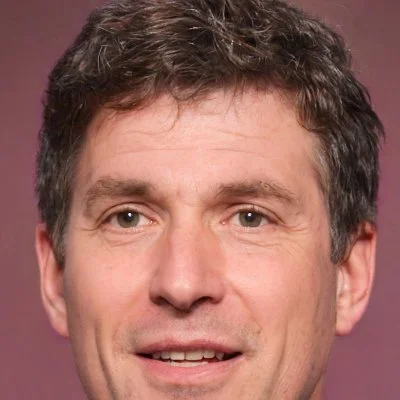
Northern Trust Just Changed Its Wealth CIO. The Bigger Story Is Client Complexity
Northern Trust’s appointment of Eric Freedman as chief investment officer for its wealth management business is not just a leadership handoff. It is a sign of how demanding private-client investment advice has become.
Freedman joins Northern Trust from U.S. Bank, where he served as chief investment officer and oversaw the asset management group. At Northern Trust, he will guide the private-client investment practice, lead more than 200 portfolio managers nationally and help shape the firm’s investment platform for affluent families, family offices, foundations, endowments and privately held businesses.
That is a large mandate.
Northern Trust Wealth Management had $492.6 billion in assets under management as of September 30, 2025. Its parent company reported about $1.8 trillion in AUM. The firm’s wealth business is not simply giving market commentary to retail investors. It is advising households and institutions with complex balance sheets, trust structures, concentrated assets, family governance needs, tax-sensitive portfolios, business interests, private market exposure and multigenerational planning decisions.
Katie Nixon’s move also matters. She had held the CIO post since 2012, and Northern Trust says she helped shape the firm’s investment philosophy, expand multi-asset capabilities and strengthen its private-client investment standing. Now she moves into a regional leadership role in the Northeast, one of Northern Trust’s strategically important growth markets.
That makes this a two-part story.
Freedman is stepping into the national investment engine. Nixon is taking investment credibility into a regional growth seat. Together, the moves show how private wealth firms are reorganizing around a simple reality: wealthy clients need consistent investment thinking, but they also need leadership close enough to understand local markets, family dynamics and client complexity.
TL;DR
Northern Trust named Eric Freedman wealth CIO: Freedman joined from U.S. Bank and now leads the private-client investment platform.
The role is national in scope: He will guide more than 200 portfolio managers across Northern Trust Wealth Management.
Katie Nixon moved into regional leadership: Nixon, CIO since 2012, now leads Northern Trust’s Northeast Region.
The Northeast matters strategically: Northern Trust described the region as a key growth market with a sophisticated and diverse client base.
The timing is important: Wealthy clients are dealing with more information, more investment options, more uncertainty and more complex portfolios.
The move fits a broader leadership reset: Northern Trust has been reshaping wealth, asset servicing, OCIO and family office leadership roles.
The advisor impact is practical: Portfolio managers need a clearer investment framework they can use in client conversations, not just high-level market views.
The client impact depends on execution: Freedman has to turn national investment strategy into useful portfolio guidance while Nixon proves regional leadership can deepen client relationships.
The CIO Seat Is Now A Client-Experience Role
InvestmentNews reported that Northern Trust named Eric Freedman chief investment officer for its wealth management business, but the CIO title should not be read as a market-commentary job.
For a private wealth platform, the CIO helps shape how advice reaches clients. The CIO’s view can influence asset allocation, manager selection, risk positioning, portfolio construction, capital-market assumptions, tax-aware investment conversations and how portfolio managers explain uncertainty to families.
That means Freedman’s role is both technical and communicative.
He has to lead investment thinking, but that thinking has to be usable by relationship managers, portfolio managers, trust officers, bankers and client teams across the country. A brilliant market view has limited value if it cannot be translated into client decisions.
What Freedman Inherits
A large portfolio-manager network: More than 200 portfolio managers need consistent investment direction without losing room for client-specific judgment.
A sophisticated client base: Northern Trust serves affluent families, family offices, foundations, endowments and privately held businesses.
A noisy market backdrop: Clients face more investment options, more data and more uncertainty than they can reasonably process alone.
A multi-asset legacy: Nixon’s tenure helped expand Northern Trust’s multi-asset capabilities, which Freedman now has to evolve.
A platform expectation: The CIO must strengthen the firm’s investment identity, not only publish outlooks.
That is why this role matters.
The CIO is not only deciding what Northern Trust thinks about markets. He is helping define how Northern Trust clients experience investment advice.
Freedman Arrives When Wealthy Clients Need Better Filters
Northern Trust President Jason Tyler framed Freedman’s arrival around a key problem: investors are facing more choices, more information and more uncertainty.
That sentence explains the hire better than any title.
Affluent and high-net-worth clients can access more products than ever. They can read market commentary all day. They can compare private banks, RIAs, consultants, family offices, digital platforms, alternative managers, structured solutions and direct-indexing strategies. They are surrounded by opinions.
What they need is not more noise.
They need filtering.
The private-client CIO has to help decide which signals matter, which risks deserve attention and which market narratives should be ignored. That becomes harder when clients are asking about inflation, recession risk, artificial intelligence, private credit, tax-aware portfolios, cash yields, concentrated stock, municipal bonds, geopolitics and estate liquidity at the same time.
The CIO As A Filter, Not A Forecaster
Portfolio relevance: A market view should connect directly to client portfolios, not remain an abstract prediction.
Risk hierarchy: Clients need help knowing which risks are urgent, which are manageable and which are headline noise.
Investment discipline: Wealthy families often need a framework that keeps them from overreacting to short-term market swings.
Private-client translation: Technical research has to become plain-English guidance for families, trustees and business owners.
Consistency across teams: A national platform needs advisors and portfolio managers speaking from the same investment foundation.
This is where Freedman’s background in asset allocation and portfolio management matters.
The job is less about calling the next quarter correctly and more about helping clients make durable investment decisions.
Katie Nixon’s Move Turns CIO Credibility Into Regional Growth
Nixon’s move to lead the Northeast Region is just as interesting as Freedman’s appointment.
Northern Trust’s official announcement said Nixon had served as CIO since 2012 and helped shape the firm’s investment philosophy, expand multi-asset capabilities and strengthen its standing with private clients. Now she moves into a role that demands client understanding and leadership alignment across the firm.
That is not a demotion-style move.
It is a redeployment of investment credibility.
The Northeast is filled with sophisticated private-client markets: New York, Boston, Connecticut, Pennsylvania, Washington, D.C. and other wealth centers. Clients in those markets may include business owners, executives, inheritors, family offices, nonprofit leaders and families with complex trust, estate and tax planning needs.
An executive with CIO credibility can help regional teams speak with more authority.
Why The Northeast Role Needs Investment Depth
Sophisticated households: Northeast clients often compare Northern Trust with major private banks, RIAs, multifamily offices and consultants.
Complex balance sheets: Wealth may include concentrated stock, business interests, trusts, real estate and private investments.
Tax sensitivity: State and local tax considerations can shape investment and estate planning conversations.
Institutional-style expectations: Some families expect family-office-level reporting, portfolio structure and governance support.
Local competition: The region is crowded with elite wealth management providers.
Nixon’s investment background may help Northern Trust strengthen its regional growth message.
The firm is not simply placing an operator in the Northeast. It is placing a leader who can talk investment strategy with credibility.
Northern Trust Is Rebuilding Around Specialized Leadership Lanes
This appointment follows several leadership moves across Northern Trust.
The firm previously announced wealth leadership changes involving banking and specialized services. It created an OCIO strategy role in asset servicing. It later named Beata Kirr CIO of its Global Family Office division. These are not identical moves, but they point in the same direction: Northern Trust is assigning senior leaders to more specialized client and platform needs.
That matters because wealth management is becoming less generic.
Affluent families do not all need the same service model. A family office has different needs from a privately held business owner. A foundation has different needs from a corporate executive. An OCIO client has different needs from a trust household. A regional private-client office has different needs from a national investment platform.
Northern Trust appears to be separating leadership responsibilities more clearly.
The Leadership Map Becoming Visible
Freedman: National private-client investment platform and portfolio-manager leadership.
Nixon: Northeast regional growth and client leadership.
Kirr: Global Family Office investment strategy and portfolio construction for ultra-wealthy clients.
McCabe: OCIO strategy inside Asset Servicing, focused on OCIO firms and consultants.
Pedroso and Bracci: Banking, specialized services and regional wealth leadership shifts.
This is not random executive movement.
It looks like a firm trying to align leadership with client complexity.
The Family Office Link Makes The CIO Story Broader
Northern Trust’s later appointment of Beata Kirr as Global Family Office CIO gives Freedman’s role more context.
A related NJ Financial News article on Northern Trust’s Global Family Office CIO appointment looked at how billionaire-family portfolios require public and private market oversight, liquidity planning, manager selection, governance and multigenerational communication.
Freedman’s wealth CIO role sits above a broader private-client platform. Kirr’s Global Family Office CIO role sits inside one of the most specialized client segments. Those roles have to complement each other.
The national CIO sets investment consistency. The family office CIO applies deeper specialization for clients whose portfolios may look more like institutions than households.
Why The Two-CIO Structure Can Make Sense
Different client complexity: A billionaire family office may need deeper private-market, governance and liquidity planning than a typical affluent household.
Shared investment foundation: Both roles need to connect to a common Northern Trust investment philosophy.
Better client segmentation: Specialized CIO leadership can prevent one-size-fits-all advice.
Stronger advisor support: Relationship teams can draw from both broad market guidance and specialized family-office insight.
More competitive positioning: Northern Trust can compete with private banks, consultants and multifamily offices with a clearer investment bench.
The risk is coordination.
If different investment voices sound disconnected, clients may become confused. If the roles are aligned, the platform can look deeper and more organized.
The OCIO Move Shows Northern Trust Is Thinking Beyond Wealth Clients
Northern Trust’s OCIO strategy appointment is not directly the same as the wealth CIO appointment, but it belongs in the same strategic picture.
Katherine McCabe was named to lead OCIO strategy for Asset Servicing, with responsibility for developing strategic relationships with OCIO firms and the investment consultant community. That role sits in the institutional side of Northern Trust, but it reflects a similar theme: clients are outsourcing more complicated investment and operating needs.
In wealth management, families may want a private bank or advisory team to simplify complexity. In asset servicing, OCIO firms and institutional consultants need custody, analytics, performance measurement, risk reporting and operational support.
Different clients, similar pressure.
What The OCIO Link Reveals
Complexity is rising across segments: Private clients, family offices and institutions all need better investment infrastructure.
Advice and operations are converging: Portfolio guidance now depends on data, reporting, custody, analytics and execution.
Consultant relationships matter: Northern Trust wants deeper ties to professional gatekeepers and institutional decision-makers.
Investment leadership has to connect with service delivery: A strong CIO view means more when the platform can implement it cleanly.
Specialist roles are becoming strategic: The firm is not relying on one broad leadership layer to cover every client type.
The OCIO move helps explain why Freedman’s role cannot be viewed in isolation.
Northern Trust is trying to sharpen investment leadership across several client channels.
Freedman’s U.S. Bank Background Fits A Multi-Client Platform
Freedman’s most recent role at U.S. Bank is relevant because it gave him experience overseeing investment leadership across a large organization.
Northern Trust said he brings more than two decades of experience across global asset allocation, wealth and institutional portfolio management and oversight of large investment teams. His earlier career included senior roles at Goldman Sachs and other advisory firms.
That background fits a platform where private clients are not all alike.
A CIO for Northern Trust Wealth Management must be comfortable with both household-level planning and institutional-style investment conversations. A family may need personal spending liquidity and estate planning. A foundation may need spending-policy guidance. A privately held business owner may need liquidity-event planning. A family office may need manager selection and governance support.
The common thread is portfolio judgment.
Why Platform CIO Experience Matters
Scale management: Leading a national portfolio-manager group requires repeatable investment process.
Client variation: Different client types need consistent principles applied in different ways.
Communication discipline: Large firms need investment messages that advisors can explain without overcomplication.
Risk consistency: Portfolio managers need a shared view on market risk, asset allocation and implementation.
Leadership credibility: Senior investment professionals need confidence in the person setting direction.
This is not a job for a narrow market strategist.
It is a job for someone who can lead an investment organization.
The Portfolio Manager Network Is The Real Distribution Channel
Northern Trust said Freedman will lead a national team of more than 200 portfolio managers.
That detail is important because those portfolio managers are the real distribution channel for his investment leadership. They are the ones who translate CIO guidance into client portfolios, meetings and decisions.
If the CIO message is too abstract, portfolio managers may ignore it or interpret it inconsistently. If the message is too rigid, portfolio managers may feel constrained when serving clients with unique trust, tax, liquidity or family needs. The right balance is disciplined flexibility.
What Portfolio Managers Need From A CIO
Clear asset-allocation views: Teams need guidance on risk posture, opportunity areas and portfolio construction.
Implementation flexibility: Portfolio managers need room to adapt views to tax, liquidity, trust and family constraints.
Client-ready language: Guidance should help portfolio managers explain decisions in plain English.
Risk guardrails: Teams need common standards around concentration, volatility, private markets and liquidity.
Research connection: The CIO office should connect portfolio teams with manager insights and market analysis.
Feedback loops: Portfolio managers should be able to tell leadership what clients are asking and where guidance needs refinement.
This is where a wealth CIO creates real value.
Not in the headline appointment, but in the daily translation from firm view to client portfolio.
Wealth Clients Are Asking Harder Questions
The CIO change comes at a time when private clients are asking harder investment questions.
Cash yields changed the opportunity cost of holding liquidity. Equity markets have become more concentrated. Private markets have moved deeper into high-net-worth portfolios. Taxes and estate planning remain central. Business owners face exit planning questions. Families want governance help. Younger heirs may ask about values, impact or sustainability. Clients are also flooded with market commentary from outside sources.
A wealth CIO has to help teams respond without chasing every topic.
That requires prioritization.
Questions Clients May Be Bringing To Northern Trust
Cash: How much liquidity should we hold now that cash yields are meaningful?
Equities: How concentrated is too concentrated when major indexes are driven by a handful of names?
Fixed income: How should bond portfolios balance income, duration and tax sensitivity?
Private markets: How much illiquidity belongs in a family portfolio?
Taxes: How do investment decisions fit estate, trust and charitable planning?
Business wealth: How should a pending business sale change the investment plan?
Generational goals: How should portfolios support heirs, philanthropy and long-term family mission?
These are not simple market-timing questions.
They are balance-sheet questions. That is why CIO leadership and wealth planning have to work together.
The Northeast Region Becomes A Test Market For Relationship-Led Growth
Nixon’s move to the Northeast deserves its own strategic reading.
Northern Trust called the region strategically important and growth-intensive. That means the firm sees opportunity, but also expects competition. The Northeast has dense wealth, sophisticated families, high tax complexity and intense competition from private banks, RIAs, multifamily offices and wirehouse private wealth teams.
Nixon’s challenge is not only to lead offices.
It is to deepen trust in markets where clients have many options.
What Regional Growth May Depend On
Investment authority: Nixon’s CIO background can strengthen market-facing credibility.
Local market knowledge: Northeast clients often expect advice tailored to state, city and family context.
Advisor collaboration: Regional leadership has to connect bankers, trust officers, portfolio managers and wealth advisors.
Client segmentation: Different households need different service models, from affluent families to ultra-high-net-worth clients.
Talent retention: Competitive regions require strong advisor and portfolio-manager leadership.
Referral relationships: Attorneys, accountants and other professional networks matter in private wealth.
The Northeast role turns investment leadership into a client-relationship role.
That may be exactly why Northern Trust moved Nixon there.
This Is Also A Talent-Retention Story
Leadership changes can unsettle an organization if they feel abrupt or unclear. Northern Trust appears to be trying to avoid that by moving Nixon into another senior role rather than losing her institutional knowledge.
That matters because private-client wealth businesses depend heavily on trust and continuity. Clients may stay with a firm for decades. Portfolio managers may develop long relationships with families. Regional leaders may know local centers of influence. Investment philosophy may be tied to long-tenured executives.
Freedman brings new perspective.
Nixon preserves continuity.
The combination can help Northern Trust refresh leadership without making clients or internal teams feel that the investment culture was abruptly replaced.
Why Continuity Still Matters
Client confidence: Wealthy families want to know the firm’s philosophy remains stable.
Internal trust: Portfolio managers need confidence that leadership changes will not disrupt process.
Market relationships: Nixon’s experience can help preserve important regional and client ties.
Cultural memory: Long-tenured executives understand what has worked inside the firm.
Change management: A leadership transition is easier when the predecessor remains visible in a strategic role.
The best leadership transitions combine renewal with institutional memory.
Northern Trust seems to be aiming for that balance.
The Investment Platform Must Now Serve Several Wealth Segments At Once
Northern Trust Wealth Management serves a broad mix of clients. That makes Freedman’s job more complicated than setting a single house portfolio.
Affluent households may need tax-aware investing, retirement planning and estate coordination. Foundations and endowments may need spending policy, governance and mission alignment. Privately held businesses may need liquidity-event planning, lending and cash management. Family offices may need private markets, manager selection, reporting and risk oversight.
Those needs overlap, but they are not identical.
A strong investment platform should offer shared principles while allowing different applications.
Segment-Specific Pressures
Affluent families: Need planning-led portfolios that integrate taxes, trusts and lifestyle goals.
Family offices: Need institutional-style governance, liquidity planning and private-market oversight.
Foundations: Need spending discipline, mission alignment and long-term portfolio durability.
Endowments: Need risk management across market cycles and policy constraints.
Privately held businesses: Need planning around liquidity events, concentrated wealth and operating-company risk.
Trust clients: Need investment decisions that reflect fiduciary duties, beneficiaries and distribution needs.
This is where Northern Trust’s scale can help.
But only if the firm can keep the client experience clear.
The Leadership Shuffle Is A Response To Competitive Pressure
Northern Trust competes in a crowded private wealth market.
Private banks are investing in family office services. RIAs are building tax and estate planning depth. Multifamily offices are expanding. Wirehouses are strengthening private wealth units. Consultants and OCIO providers are moving closer to families and institutions. Asset managers are creating more direct private-client products.
That competitive pressure forces firms to define what they do best.
Northern Trust’s answer appears to be infrastructure plus investment discipline: fiduciary history, banking, custody, asset servicing, portfolio management, family office capabilities and specialized leadership.
The CIO change fits that message.
Freedman gives the firm a new national investment leader. Nixon gives the Northeast a leader with deep investment credibility. Kirr gives the family office unit a specialist CIO. McCabe gives asset servicing a dedicated OCIO strategy leader.
That is a more segmented leadership model.
The Risk Is Too Many Leadership Messages
The advantage of specialized leadership is depth. The risk is fragmentation.
If every unit has its own leader, message and strategy, clients and advisors may struggle to understand the whole Northern Trust story. Wealth clients do not want internal org charts. They want a clear experience.
That means Northern Trust has to connect the pieces.
Freedman’s national CIO office, Kirr’s family office investment role, Nixon’s Northeast leadership, banking and specialized services and asset-servicing OCIO strategy must not feel like separate silos.
Where Coordination Has To Be Tight
Investment messaging: Clients should hear consistent views across wealth, family office and regional teams.
Client handoffs: Families moving between wealth segments should not feel service gaps.
Private-market guidance: Teams need common language on illiquidity, manager selection and portfolio role.
Banking integration: Lending, deposits and liquidity planning should support portfolio advice, not sit apart from it.
Advisor training: Relationship teams need to understand which leader or resource supports which client need.
Client communication: Northern Trust should explain leadership changes through benefits, not titles.
Specialization works only when the client experience feels integrated.
What Clients Should Watch After The CIO Change
Clients do not need to track every executive move. They should watch what changes in the advice they receive.
A CIO transition should eventually show up in the quality of portfolio guidance, communication, risk framing and investment process. If clients only hear a name change, the appointment has limited practical value.
Client-Level Signals That Matter
Clearer market guidance: Clients should receive investment views that connect to their actual portfolios.
Better risk explanations: Teams should explain downside, liquidity, concentration and tax effects more clearly.
Stronger portfolio reviews: Annual or quarterly reviews should feel more decision-focused, not just performance-focused.
Consistent advisor language: Different Northern Trust professionals should describe strategy in compatible ways.
Relevant investment options: The platform should evolve without overwhelming clients with product complexity.
Improved regional access: Northeast clients may see stronger local leadership through Nixon’s role.
The appointment matters only if it improves client decisions.
That is the test.
What Advisors And Portfolio Managers Should Watch Internally
Northern Trust advisors and portfolio managers should watch how Freedman sets priorities.
A new CIO often brings changes in communication style, investment committee emphasis, portfolio construction discipline, manager research, risk dashboards or client-facing materials. Some changes may be subtle. Others may become part of the firm’s investment identity.
Internal Questions Worth Asking
Asset allocation: Will Freedman adjust the firm’s strategic or tactical allocation framework?
Private markets: Will guidance on private equity, private credit, real estate or hedge funds change?
Fixed income: How will the platform frame duration, municipal bonds and tax-aware income?
Client materials: Will portfolio managers get clearer tools for explaining risk and opportunity?
Research integration: How will investment research flow into regional and relationship teams?
Family office coordination: How will Freedman’s office work with Kirr’s GFO CIO role?
Regional feedback: How will Nixon and other regional leaders feed client concerns back into investment strategy?
The answer to these questions will define the practical impact of the hire.
The Bigger Takeaway: Northern Trust Is Turning Investment Leadership Into Platform Architecture
Northern Trust’s appointment of Eric Freedman as wealth CIO is important because it shows how private-client investment leadership is changing.
The CIO no longer sits apart from client strategy. The role now touches portfolio managers, regional growth, family office specialization, private markets, tax-sensitive planning, risk communication and advisor support. It must help wealthy clients navigate an overwhelming amount of investment information while still delivering consistent, disciplined portfolio guidance.
Katie Nixon’s move reinforces the point.
Northern Trust is not simply replacing one CIO with another. It is moving a long-tenured investment leader into a major regional growth role, adding a new national investment leader and continuing to build specialized leadership around OCIO and family office needs.
That is platform architecture.
The firm is trying to align investment leadership with the actual ways private clients now make decisions: nationally, regionally, across family offices, through portfolio managers and through specialized service teams.
The opportunity is clear. Northern Trust can make its wealth platform feel deeper, more coordinated and more useful to sophisticated clients.
The challenge is just as clear.
It has to make all of that leadership feel simple from the client’s side.
Frequently Asked Questions About Northern Trust’s Wealth CIO Change
Who Is Eric Freedman?
Eric Freedman is the new chief investment officer for Northern Trust Wealth Management. He joined Northern Trust from U.S. Bank, where he served as chief investment officer and oversaw the firm’s asset management group.
At Northern Trust, Freedman will guide the private-client investment practice and lead a national team of more than 200 portfolio managers. His background includes more than two decades of work across global asset allocation, wealth and institutional portfolio management and large investment team leadership.
What Happened To Katie Nixon?
Katie Nixon, who served as Northern Trust Wealth Management’s CIO since 2012, moved into a new role leading the firm’s Northeast Region. Northern Trust said she helped shape the firm’s investment philosophy, expand multi-asset capabilities and strengthen its private-client investment practice during her CIO tenure.
Her new role keeps her inside the leadership structure while moving her closer to regional client growth. The Northeast is a strategically important market for Northern Trust because of its sophisticated private-client base and dense wealth management competition.
Why Does This CIO Change Matter For Clients?
The CIO change matters because Northern Trust’s investment platform serves wealthy families, family offices, foundations, endowments and privately held businesses. These clients often need more than simple market commentary. They need portfolio guidance tied to taxes, trusts, liquidity, private markets, estate planning, philanthropy and multigenerational goals.
If the transition works well, clients should see clearer investment communication, stronger portfolio guidance and more consistent advice across Northern Trust’s national portfolio-manager network.
How Does This Fit With Northern Trust’s Other Leadership Changes?
The CIO appointment fits a broader pattern of leadership specialization at Northern Trust. The firm has reshaped wealth leadership, created an OCIO strategy role in Asset Servicing and later named a CIO for its Global Family Office division.
The broader strategy appears to be aligning senior leaders with specific client and platform needs. Freedman leads the national wealth investment platform, Nixon leads the Northeast Region, Beata Kirr leads investment strategy for Global Family Office and Katherine McCabe leads OCIO strategy for Asset Servicing.
What Should Advisors Watch After Freedman Takes Over?
Advisors and portfolio managers should watch whether Freedman changes the firm’s asset-allocation guidance, portfolio construction framework, client materials, private-market stance, fixed-income messaging or risk communication. They should also watch how his office coordinates with regional leaders and the Global Family Office CIO role.
The practical test is whether the new CIO structure helps advisors explain markets more clearly and build better client portfolios. A successful CIO transition should improve decision-making, not simply change the name on the investment outlook.
Further Reading
Northern Trust Tweaks Wealth Leadership As New CIO Steps In: InvestmentNews’ report on Eric Freedman’s CIO appointment, Katie Nixon’s Northeast role and related leadership moves.
Northern Trust Wealth Management Appoints Eric Freedman As Chief Investment Officer: Northern Trust’s official announcement with role details, reporting structure, Nixon’s move and wealth management AUM.
Northern Trust Appoints Katherine McCabe To Lead OCIO Strategy For Asset Servicing: Northern Trust’s announcement on its OCIO strategy role, institutional consultant relationships and asset servicing focus.
Northern Trust’s New Family Office CIO Has A $1B-Client Portfolio Problem: Related NJ Financial News coverage on Northern Trust’s Global Family Office CIO appointment, private markets, liquidity planning and family-office complexity.