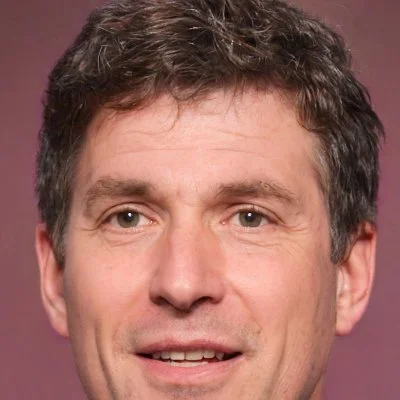
The Bull Market For Advice Is Really A Bull Market For Clarity
Marc Squires’ “bull market for advice” line works because it does not depend on whether stocks rise, rates fall or clients feel confident every month. It points to something deeper: financial life keeps getting more complicated, and clients still need help making sense of it.
That was the clearest message from Squires, senior vice president and head of clearing sales and relationship management at Fidelity Investments, in his InvestmentNews interview. He spoke about 2025 as a year that showed the resilience of advisors, the continued need for guidance and the philanthropic character of the financial advice industry through organizations such as Invest in Others.
The story is not a normal market outlook. It is more of a status check on the advice business.
Advisors spent 2025 guiding clients through volatility, uncertainty, changing product menus, rising interest in alternatives, questions around digital assets and the everyday financial decisions that become more difficult as households accumulate wealth. Squires’ argument is that the need for advice did not fade during that environment. It became more visible.
That is an important distinction.
When markets are calm, advice can look easy. When markets are volatile, taxes get messy, clients face life changes and product choices multiply, advice becomes more valuable. The advisor’s role is not only to pick investments. It is to bring judgment, perspective and structure when clients are overwhelmed.
That is why the “bull market for advice” is really a bull market for clarity.
TL;DR
Marc Squires says demand for advice remains strong: Fidelity’s Squires told InvestmentNews that the “bull market for advice” still stands.
2025 tested advisors through volatility: Squires pointed to market swings, especially volatility earlier in the year, as a reminder that clients still need steady guidance.
Complexity is driving demand: Clients face more difficult decisions across life stages, investment choices, retirement, alternatives, digital assets and wealth planning.
Fidelity’s role is platform support: As head of clearing sales and relationship management, Squires works with broker-dealer wealth management firms using Fidelity’s technology, platform, investment, execution and clearing services.
Philanthropy is part of the industry story: Squires highlighted Fidelity’s involvement with Invest in Others and the charitable work advisors do in their communities.
2026 will bring unknown hurdles: Squires said uncertainty is inevitable, but firms can prepare by sharing insight, staying close to clients and helping advisors identify opportunities.
The advisor takeaway is practical: The firms that win will not simply offer more products. They will help advisors turn complexity into client confidence.
The Strongest Advisor Trend Is Not A Product Trend
The financial advice industry often talks about growth through products: alternatives, digital assets, model portfolios, direct indexing, annuities, private credit, SMAs and managed-account platforms.
Those trends matter. But Squires’ point starts somewhere else.
The strongest advisor trend is the client’s need for interpretation.
Clients are not just choosing between products. They are trying to understand what those products mean for their lives. Should they retire now or wait? Should they hold cash or invest? Should they use alternatives? Should they diversify a concentrated position? Should they help adult children? Should they update estate plans? Should they take more risk after a market rally or less risk after volatility?
That is where advice becomes durable.
A product can be copied. A portfolio model can be replicated. A digital tool can be improved by competitors. But a trusted advisor who understands the client’s life can interpret choices in a way a product shelf cannot.
That is why the “bull market for advice” is not only about advisor headcount or assets. It is about the rising need for judgment.
Squires’ View Starts Inside Fidelity’s Advisor Infrastructure
InvestmentNews’ interview with Marc Squires matters because he is not speaking only as a market commentator. He sits inside one of the industry’s largest advisor-support ecosystems.
Squires works in Fidelity’s clearing business, where the client base includes broker-dealers and wealth management firms that need technology, platform solutions, investment access, execution and clearing services. That position gives him a view across many firms, not only one advisory model.
That matters.
A clearing and custody platform can see how firms respond to volatility, where advisors need support, what product categories are gaining attention and how different business models are evolving. It can observe the operational side of advice: trading, account infrastructure, technology, service, practice management and advisor workflow.
So when Squires says advice remains in demand, the comment is not only philosophical. It reflects what Fidelity is seeing across advisor and institutional relationships.
The “Moment Of Truth” Framework Is The Real Client Story
One of the most useful ideas in the interview is Squires’ focus on moments of truth.
Clients may not need deep advice every day. But at certain points, the advisor becomes essential. A market shock. A retirement decision. A spouse’s death. A business sale. A large inheritance. A child’s college choice. A divorce. A tax surprise. A health diagnosis. A major charitable gift. A sudden need for liquidity.
Those moments define the client relationship.
The advisor’s value is often measured not during the quarterly review, but during the moments when the client is unsure what to do next. That is when advice becomes more than portfolio monitoring. It becomes decision support.
Advisory firms that understand this can design their service model differently.
They can prepare for life events, not only market updates. They can train advisors to communicate during uncertainty. They can build planning tools around client transitions. They can use technology to identify when a client may need outreach. They can create service models that feel proactive instead of reactive.
The future of advice may belong to firms that are ready before the client’s moment of truth arrives.
Why Volatility Strengthened The Advice Case
Volatility can hurt client confidence, but it can also reveal advisor value.
Squires pointed to market swings in 2025 as part of the environment advisors had to navigate. That is important because volatile periods expose whether clients have a real plan or only an account statement.
During calm markets, clients may believe they understand their risk tolerance. During volatile markets, that belief is tested. A client who says they can handle a drawdown may panic when headlines turn negative. A client who says they want long-term growth may suddenly want cash. A retiree may worry about distributions. A business owner may question liquidity. A younger investor may wonder whether to stay invested or wait.
Advisors earn trust by helping clients separate discomfort from danger.
The point is not to tell every client to ignore volatility. The point is to interpret volatility through the client’s actual plan. Is the portfolio still aligned with the goal? Has the client’s time horizon changed? Does the client need cash soon? Are tax-loss harvesting opportunities available? Should risk be reduced, rebalanced or simply explained better?
That is why volatility can strengthen the advice case. It creates the need for a calm interpreter.
The Philanthropy Angle Is Not A Side Story
Squires also spent meaningful time discussing Invest in Others, the nonprofit that highlights and supports the charitable work of financial advisors.
That part of the interview could be easy to treat as a feel-good sidebar. It should not be.
Advisor philanthropy is part of the industry’s trust story.
Financial advisors are often embedded in their communities. They know local families, business owners, nonprofits, schools, churches, hospitals, civic groups and regional needs. They often see where money, planning and community impact intersect. That makes them well-positioned to support charitable work and connect clients with giving strategies.
Invest in Others lists Marc Squires as a board member and describes Fidelity’s clearing business as serving independent, bank, insurance, full-service and institutional broker-dealer wealth management firms.
That connection matters because it places Squires’ comments in a broader industry context. Fidelity is not only talking about advisor growth. It is also supporting an organization built around advisors giving back.
The result is a more complete picture of the advice business: advisors help clients manage money, but many also help communities solve problems.
The Community Advisor Still Has An Advantage
Technology can improve advice delivery, but it does not erase the community role of advisors.
Squires said financial advisors are embedded in their communities and are positioned to see needs and fulfill them. That is a powerful point because it explains something digital platforms struggle to replicate.
A digital tool can help a client open an account. It can recommend an allocation. It can automate savings. It can provide tax forms. It can calculate retirement projections.
But it cannot easily understand the local nonprofit a client cares about, the family business that supports three generations, the widow who needs a slower conversation, or the community crisis where financial professionals can mobilize help.
This is not nostalgia. It is business reality.
A related NJ Financial News article on human advice and investor trust looked at how advised investors and digital-first investors are developing different trust relationships. The lesson is not that human advisors beat technology or that fintech beats traditional advice. The lesson is that trust is being built in multiple ways.
Community-based advice remains one of the strongest trust models because it is personal, local and relational.
The Advice Business Is Becoming More Generational
Squires’ comments about different life stages matter because advice demand is becoming more generational.
A young professional may need help with stock compensation, debt, first-home decisions and retirement savings. Parents may need college planning, insurance and cash-flow decisions. Pre-retirees may need income planning and tax strategy. Retirees may need withdrawal plans, health care decisions and estate coordination. Adult children may need help inheriting wealth or understanding family financial responsibilities.
That creates a longer advice runway.
Advisors are no longer only managing one client’s assets. They are trying to keep relationships across households and generations. That requires more than investment performance. It requires communication with spouses, heirs, business successors and family members who may have different expectations.
The firms that help advisors manage these generational conversations will have an advantage.
This is also where philanthropy, estate planning and family governance connect. Families increasingly want to discuss not only what they own, but what their wealth is for. Advisors who can guide those conversations may deepen relationships in ways product providers cannot.
Alternatives And Digital Assets Add To The Complexity Stack
Squires mentioned opportunities in alternatives, digital assets and an expanding ecosystem of investment options.
That point deserves careful handling.
More investment choice can be good. Alternatives may help some clients diversify income sources, access private markets or pursue exposures not available in traditional public markets. Digital assets may interest clients looking at blockchain, tokenization or crypto-related opportunities. New investment structures can create flexibility.
But more choice also creates more confusion.
Clients may not understand liquidity limits, valuation methods, custody issues, tax treatment, fees, suitability standards or risk. Advisors may need deeper due diligence. Home offices may need better product education. Platforms may need stronger controls.
That is why advice becomes more important as the investment menu expands.
The advisor’s role is not to say yes to every new product. It is to decide what belongs in the client’s plan, what does not, and what needs more explanation before any decision is made.
Fidelity’s Scale Is Useful Only If It Turns Into Insight
Squires said Fidelity can help clients by sharing what it sees across other clients, along with Fidelity’s perspective. That is a key platform advantage.
Large firms see patterns.
They may see what advisors are asking during volatile markets, where service issues are emerging, which products are gaining traction, how firms are handling transitions, what technology problems keep repeating, or how different business models respond to change.
That visibility can become useful if it is translated well.
The platform’s job is not only to gather information. It has to turn information into insight advisors can use. That might mean better practice-management content, clearer market commentary, product due diligence, transition support, peer benchmarking, technology improvement or operational guidance.
Scale without insight is just size.
Scale with insight can help advisors make better decisions.
The Clearing Business Is A Quiet Power Center
Most clients do not think about clearing and custody. Many advisors do, but even they may discuss it less than product selection or client-facing technology.
Still, clearing is one of the industry’s quiet power centers.
Clearing supports account processing, trade execution, settlement, custody relationships, operational workflows and broker-dealer infrastructure. If it works well, advisors may barely notice. If it fails, everything becomes harder.
That is why Squires’ role matters.
The advisor experience depends heavily on what happens behind the scenes. A broker-dealer or bank wealth program can have great advisors, but if the clearing platform is clunky, slow or unreliable, the client experience can suffer. Account opening, transfers, trading, reporting and service all affect trust.
The bull market for advice therefore depends on operational plumbing.
Clients may value human guidance, but advisors need strong infrastructure to deliver it consistently.
Fidelity’s Leadership Transition Adds Another Layer
Barron’s reported that Fidelity tapped Marc Squires and Trevor Norton to take over duties from departing client-growth head Rohit Mahna, with Squires tied to clearing and Norton tied to custody.
That leadership context adds weight to the InvestmentNews interview.
Fidelity’s advisor-facing business is operating in a highly competitive environment. Schwab remains a custody giant. LPL is pulling more assets onto its own platform through acquisitions and integrations. Pershing, Raymond James, RBC, Apex and other platforms are competing for advisor and institutional relationships. RIAs and broker-dealers are demanding better technology, cleaner service and more flexible support.
In that environment, leadership continuity matters.
Squires’ long tenure at Fidelity gives the firm a relationship-management signal at a time when advisor platforms are under pressure to prove they understand client firms deeply, not just technologically.
The Advisor-Platform Relationship Is Getting More Demanding
Advisor firms are expecting more from platforms like Fidelity.
They want technology that integrates smoothly. They want responsive service. They want practice-management support. They want alternatives education. They want digital asset insight. They want transition help. They want operational stability. They want thought leadership they can pass to clients. They want pricing that feels fair. They want relationship managers who understand their business model.
That is a long list.
It explains why the clearing and custody business is no longer a purely back-office relationship. It is part of advisor strategy. A broker-dealer or RIA can gain or lose momentum depending on whether its platform partner helps it grow, manage complexity and serve clients efficiently.
Fidelity’s challenge is to keep proving that its scale helps firms without making the relationship feel impersonal.
That is the same challenge facing most large wealth infrastructure providers.
The 2026 Unknowns Are The Point
Squires said every year begins with hurdles and uncertainties, but firms do not know exactly what those hurdles will be.
That is not a throwaway line. It is one of the best descriptions of why advice matters.
Clients often want certainty. Markets do not provide it. Tax rules can change. Rates can shift. Elections can reshape expectations. Geopolitical events can disrupt confidence. Technology can change client behavior. New products can create new risks. Family events can arrive without warning.
The advisor’s job is not to predict every hurdle perfectly.
The advisor’s job is to build a planning process that can survive the unknowns. That means cash-flow planning, risk management, diversification, estate coordination, tax awareness, client communication and emotional discipline.
Advice is valuable because uncertainty never goes away.
What Broker-Dealers Should Take From Squires’ Message
Broker-dealers should hear Squires’ comments as a reminder that advisor support has to be practical.
It is not enough to tell advisors that demand for advice is strong. Firms must help advisors meet that demand. That means better workflows, better client-segmentation tools, stronger planning resources, clearer product education and more useful technology.
Broker-Dealer Priorities For A Bull Market In Advice
Client communication systems: Advisors need better ways to explain volatility, planning changes and product risks.
Practice-management support: Firms should help advisors build scalable service models around life-stage needs.
Alternatives education: Advisors need practical training before discussing private markets, private credit or other complex products.
Digital asset guidance: Advisors need guardrails, not hype, when clients ask about crypto or tokenized products.
Operational speed: Account opening, transfers, trading and service issues must support the advisor’s relationship, not weaken it.
Philanthropy resources: Firms can help advisors connect charitable giving, donor conversations and community involvement.
Generational planning tools: Advisors need support bringing spouses, heirs and family members into the planning process.
Those are the areas where the bull market for advice becomes real.
What RIAs Should Take From Squires’ Message
RIAs may read the interview differently.
For RIAs, the “bull market for advice” is an opportunity, but it also raises the bar. If more clients need advice, more firms will compete to deliver it. RIAs must show why their advice is distinct.
That could mean more tax planning, more estate coordination, deeper investment customization, better client education, stronger niche focus or a clearer service model.
RIAs also need to choose platform partners carefully. Custody, clearing, technology and operational support can shape how efficiently the firm serves clients. A great planning promise can break down if the back office cannot support growth.
Squires’ message therefore has two sides for RIAs: demand is strong, but execution still matters.
What Clients Should Hear
Clients do not need to know every detail of Fidelity’s clearing business or advisor-platform strategy. They should hear a simpler message.
The world is complicated, and good advice is still valuable.
Clients should look for advisors who can explain trade-offs clearly, not just recommend products. They should ask how the advisor handles volatility, how often the plan is reviewed, how taxes are considered, how family members are included, how charitable goals are supported and how new investment ideas are evaluated.
They should also pay attention to whether the advisor seems prepared for life events.
A strong advisor should be able to help before, during and after moments of transition. That is the real value Squires is describing.
The Risk: “Bull Market For Advice” Can Become A Slogan
The phrase is strong, but firms should be careful not to overuse it.
A bull market for advice does not mean every advisor delivers good advice. It does not mean every firm has the right platform. It does not mean every client understands fees. It does not mean every new product improves outcomes. It does not mean technology automatically strengthens relationships.
The phrase should be treated as a challenge, not a victory lap.
If demand for advice is rising, advisors must earn that demand. They must communicate better, plan more deeply, manage conflicts, explain fees, evaluate products carefully and stay engaged with clients beyond portfolio performance.
The firms that treat the phrase as marketing may waste the opportunity.
The firms that treat it as a service mandate may win.
The Bigger Lesson: Advice Wins When It Connects Money To Life
Squires’ interview brought together three themes that are often discussed separately: advisor resilience, client complexity and community philanthropy.
They actually belong together.
Advisors are valuable because money decisions are human decisions. Volatility creates fear. Retirement creates identity questions. Philanthropy reflects values. Estate planning affects family relationships. Alternatives require trust and explanation. Digital assets raise curiosity and concern. Life stages bring different needs.
The advisor sits at the intersection of those decisions.
That is why advice is still in demand. Not because clients cannot find information. They can find endless information. The problem is that information alone does not tell them what to do when the decision is personal, emotional and financially meaningful.
The bull market for advice is a bull market for interpretation, clarity and trust.
Fidelity’s role, through leaders like Marc Squires, is to support the firms and advisors trying to deliver that trust at scale.
Frequently Asked Questions About Marc Squires And Fidelity’s “Bull Market For Advice” Message
Who Is Marc Squires?
Marc Squires is senior vice president and head of clearing sales and relationship management at Fidelity Investments. Invest in Others also identifies him as Fidelity’s head of clearing and lists him as a board member who joined the nonprofit in November 2022.
His role gives him visibility into broker-dealer wealth management firms that use Fidelity’s investment, technology, platform, execution and clearing services. That makes his comments important because they reflect a broad advisor infrastructure view, not only one advisory firm’s internal perspective.
What Does “Bull Market For Advice” Mean?
The phrase means that client demand for financial advice remains strong even when markets are uncertain. Squires used it to describe the continuing need for advisors as clients face volatility, complexity and major life decisions.
It does not mean markets will always rise or that every advisory firm will grow automatically. It means the need for professional guidance is expanding because financial decisions are becoming more complicated. Clients may have more investment choices, more tax questions, more retirement complexity and more family-planning needs than they can handle alone.
Why Did Squires Emphasize Invest In Others?
Squires emphasized Invest in Others because the organization highlights the charitable and community work of financial advisors. He described the nonprofit as a place where the industry comes together around giving back.
That matters because philanthropy is part of the advisor trust story. Many advisors are deeply connected to their communities and often see local needs before national institutions do. Their charitable work can reflect the same relationship-based mindset that drives good client advice: understanding people, identifying needs and helping solve problems.
What Should Advisors Take From Squires’ 2026 Outlook?
Advisors should take away that uncertainty is normal and preparation matters more than prediction. Squires said every year brings hurdles and uncertainties, but firms do not know exactly what those hurdles will be at the start.
For advisors, that means the focus should be on planning discipline, communication, operational readiness and client trust. Advisors should be prepared to explain volatility, evaluate alternatives and digital assets carefully, support clients through life transitions and use platform resources to stay ahead of changing client needs.
Why Is Fidelity’s Clearing Business Important To Advisors?
Fidelity’s clearing business supports broker-dealer wealth management firms with technology, platform solutions, investment access, execution and clearing services. These functions are part of the operational foundation that allows advisors to serve clients.
Clients may not notice clearing infrastructure when everything works. Advisors notice it when account opening, trading, transfers, service or reporting becomes slow or difficult. A strong clearing partner can help advisors deliver a smoother client experience, especially as firms grow and client needs become more complex.
Further Reading
‘A Bull Market For Advice’ - Fidelity’s Marc Squires Reflects On 2025’s Lessons And Future Challenges: InvestmentNews’ interview with Squires on advisor resilience, Invest in Others, volatility, advice demand and the outlook for 2026.
Marc Squires - Invest In Others: Invest in Others’ board profile for Squires, including his role at Fidelity and the scope of Fidelity’s clearing business.
Fidelity’s Rohit Mahna To Exit. Here’s Who Is Taking Over His Role: Barron’s report on Fidelity’s advisor-platform leadership transition involving Squires and Trevor Norton.
Edward Jones Tops Investor Satisfaction, But Fintechs Are Winning A Different Trust Race: Related NJ Financial News coverage on human advice, digital trust and why investors still value guidance.